About
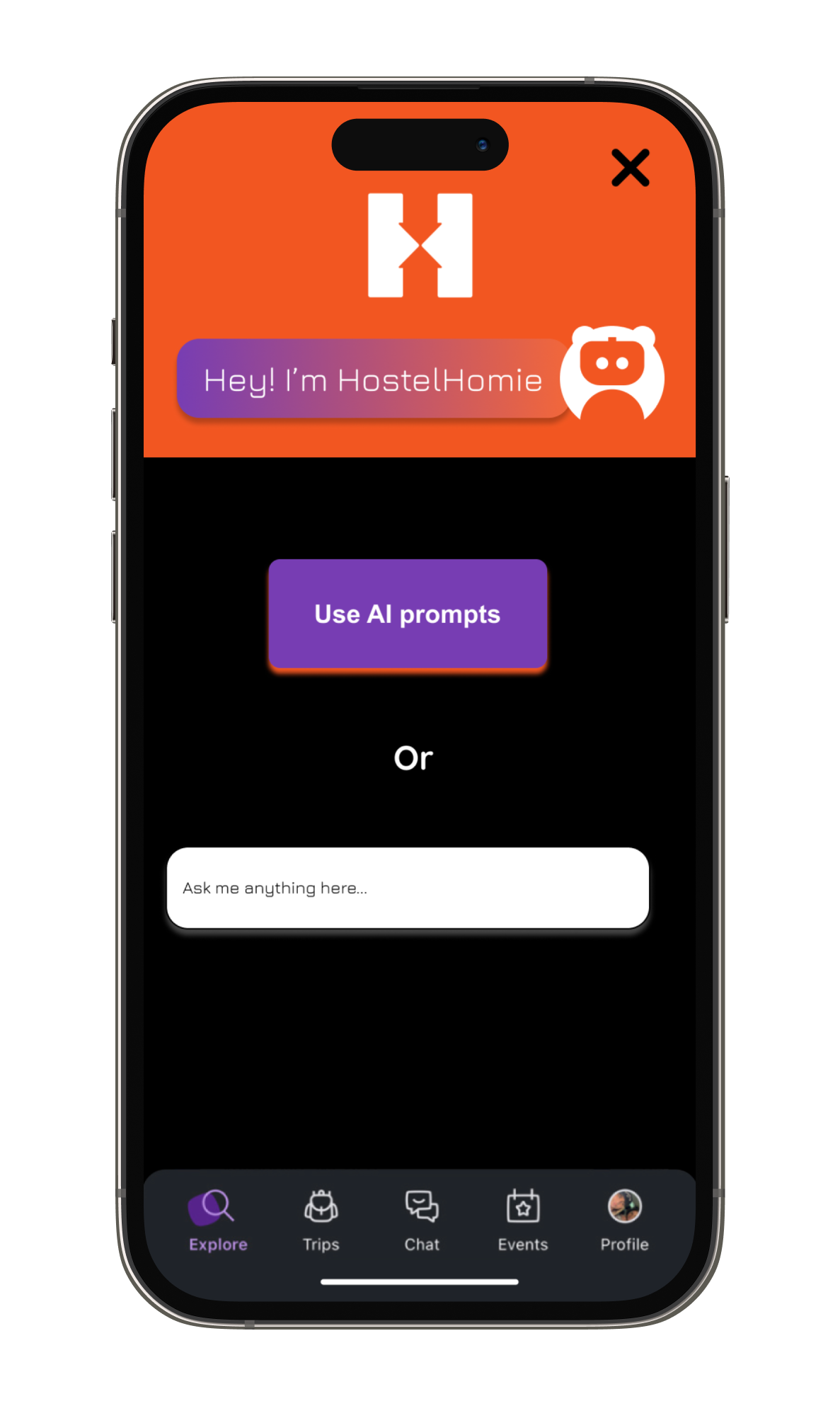
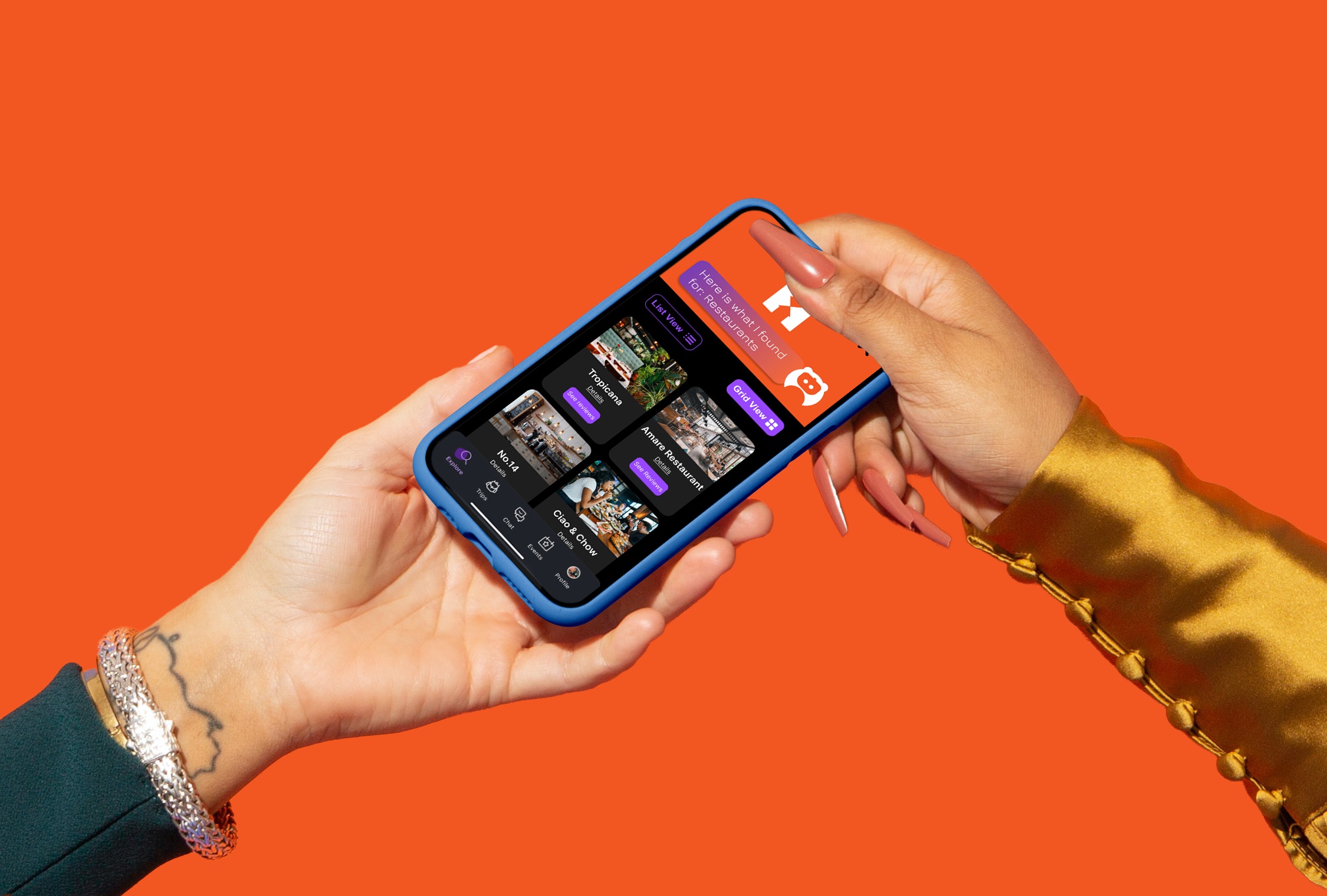
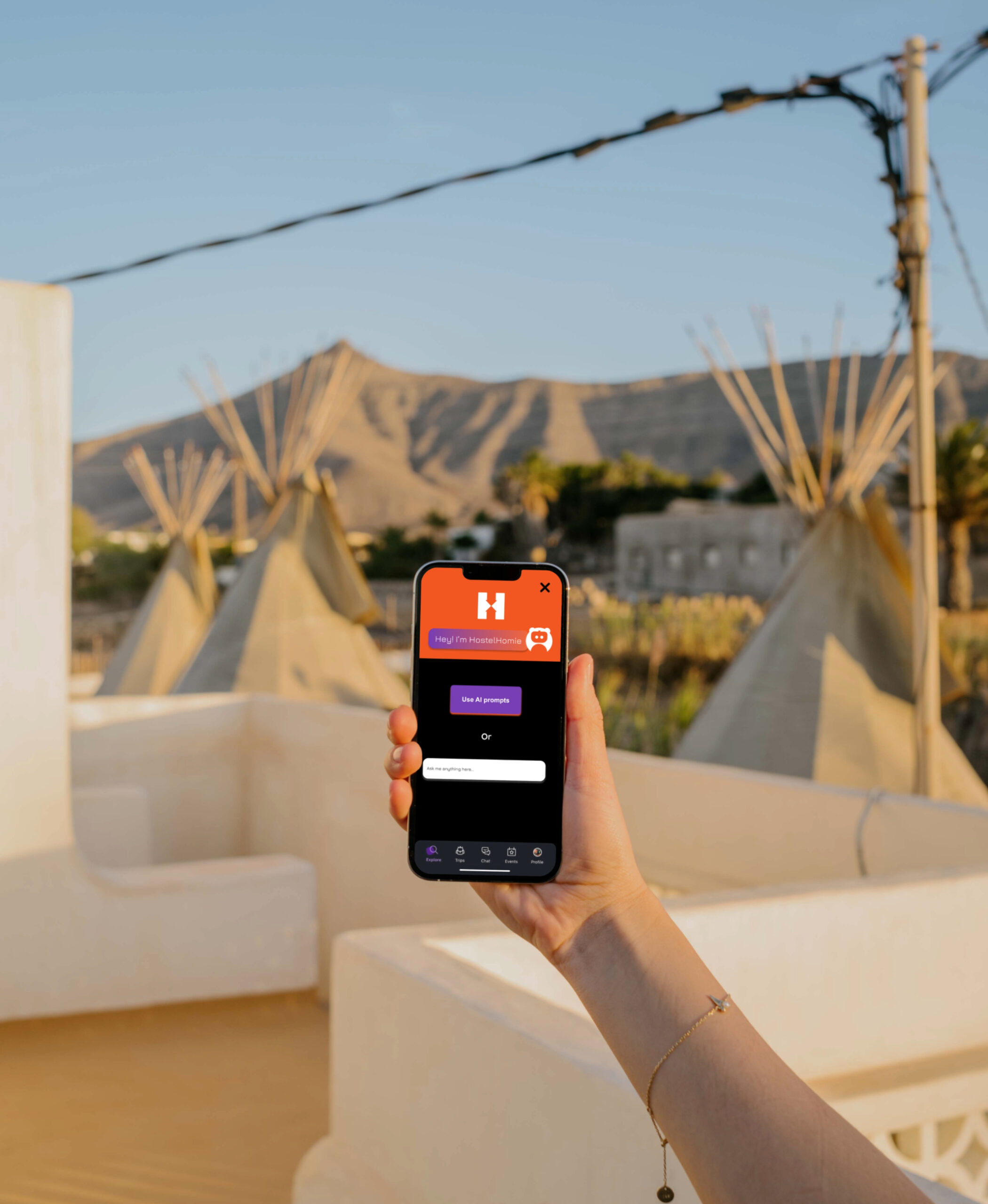
While Hostelworld offers booking and chat features, it lacks a dedicated space for spontaneous social interaction and discovery once a user arrives. Through user interviews, it became clear that travellers often feel untrustworthy of meeting others, what events to attend, or where to go—especially in unfamiliar cities. Many rely on the hostel themselves to make connetion or via excursions, but would find it helpful if there was an AI feature on hostelworld to connect users actively looking to meet.
This self-initiated project explores how AI can reduce the friction of travel research and spark meaningful connections by offering real-time suggestions based on location, interests, and travel timelines—all within the context of the Hostelworld experience.
Scale
Role
Company
16 Weeks
Product Designer
Part of my project for Career Foundry Product Design Course
Problem Statement
When making travel plans, finding and saving tailored recommendations from other users is not always straightforward. As a result, users often go across multiple platforms for their travel needs and connections. This reduces user activity and engagement within Hostelworld.
How Might We
How might we create a simpler user experience when searching for travel recommendations from other users, whilst also creating a better platform for users to connect with each other based on their travel preferences?
Design Process
Discover

Product & competitive analysis
Define

User journey mapping & proto-personas
Ideate

low-fidelity wireframes
Design

Usability testing, style guides, and final prototype
Discover
Product & competitive analysis
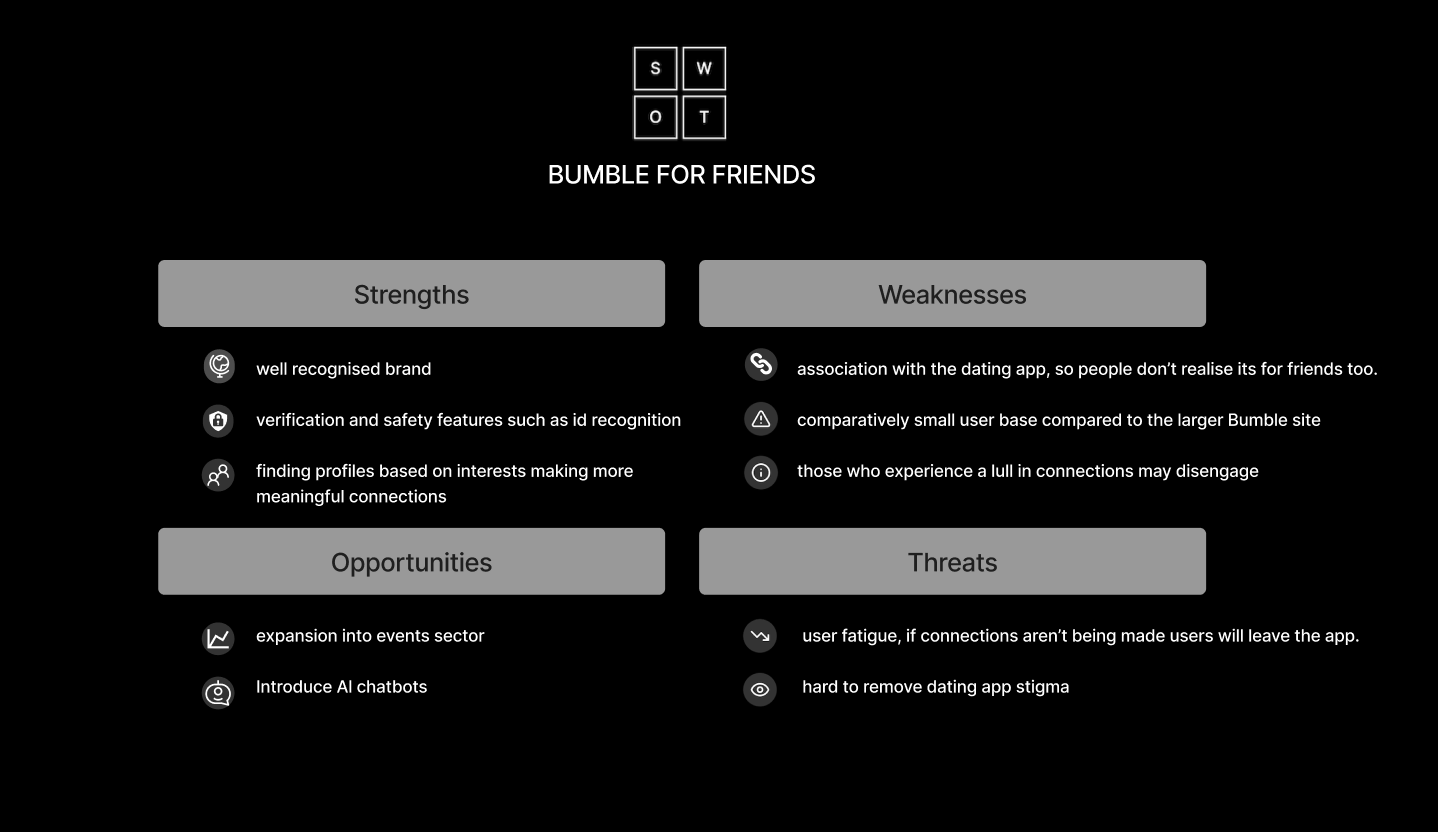
To understand the landscape of travel apps, a Product analysis was conducted to identify competitor strengths, weaknesses, opportunities, and threats, providing a clear picture of what works well in the market and where there is room for AI intergration.
Begin ideating on user flows where a chatbot could naturally enhance discovery (e.g. “What's on in Barcelona today?” or “Find others going to that pool party”).
Define
User journey mapping & proto-personas
After identifying key gaps and opportunities in existing products, I needed to understand who I was designing for and what their real needs were while travelling.. I conducted direct user interviews with five Hostelworld users who frequently travel solo or stay in hostels to uncover their real needs, motivations, and pain points when finding recommendations or connecting with others.
Prioritise emotionally intelligent suggestions like "Ask Hostel Homie what others are doing tonight" or "Meet other solo travelers heading to the same beach."
Ideate
Low-fidelity wireframes
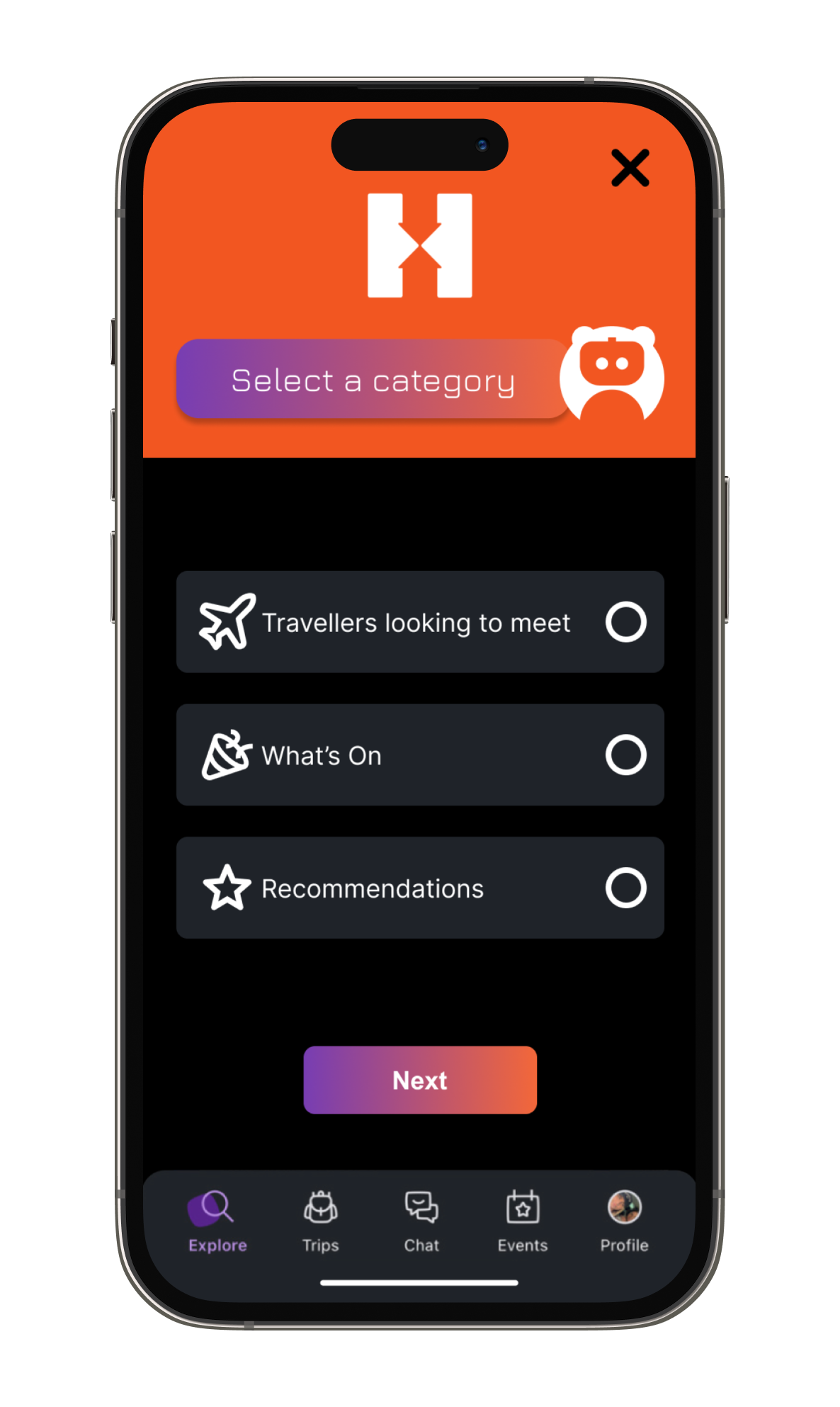
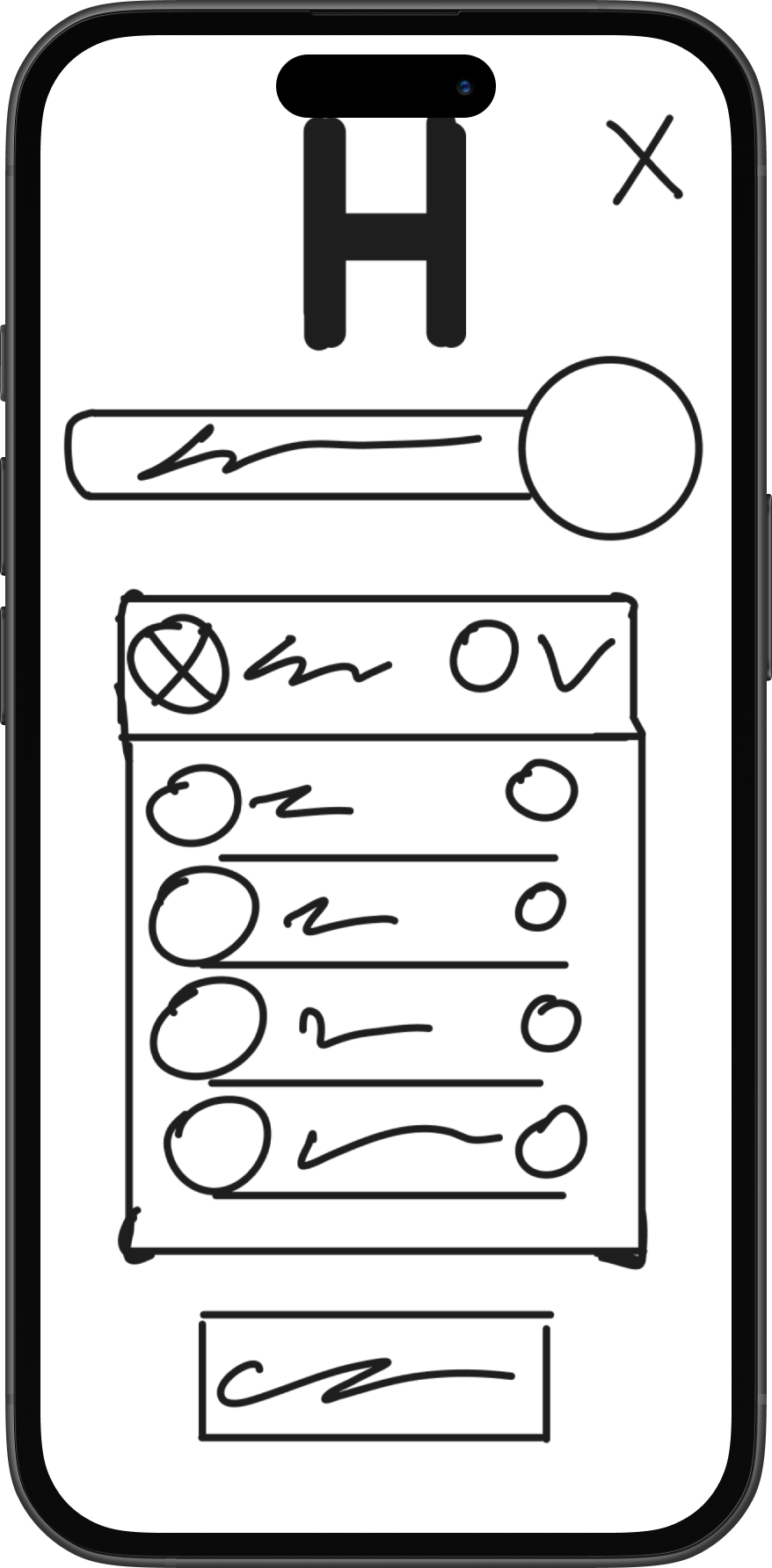
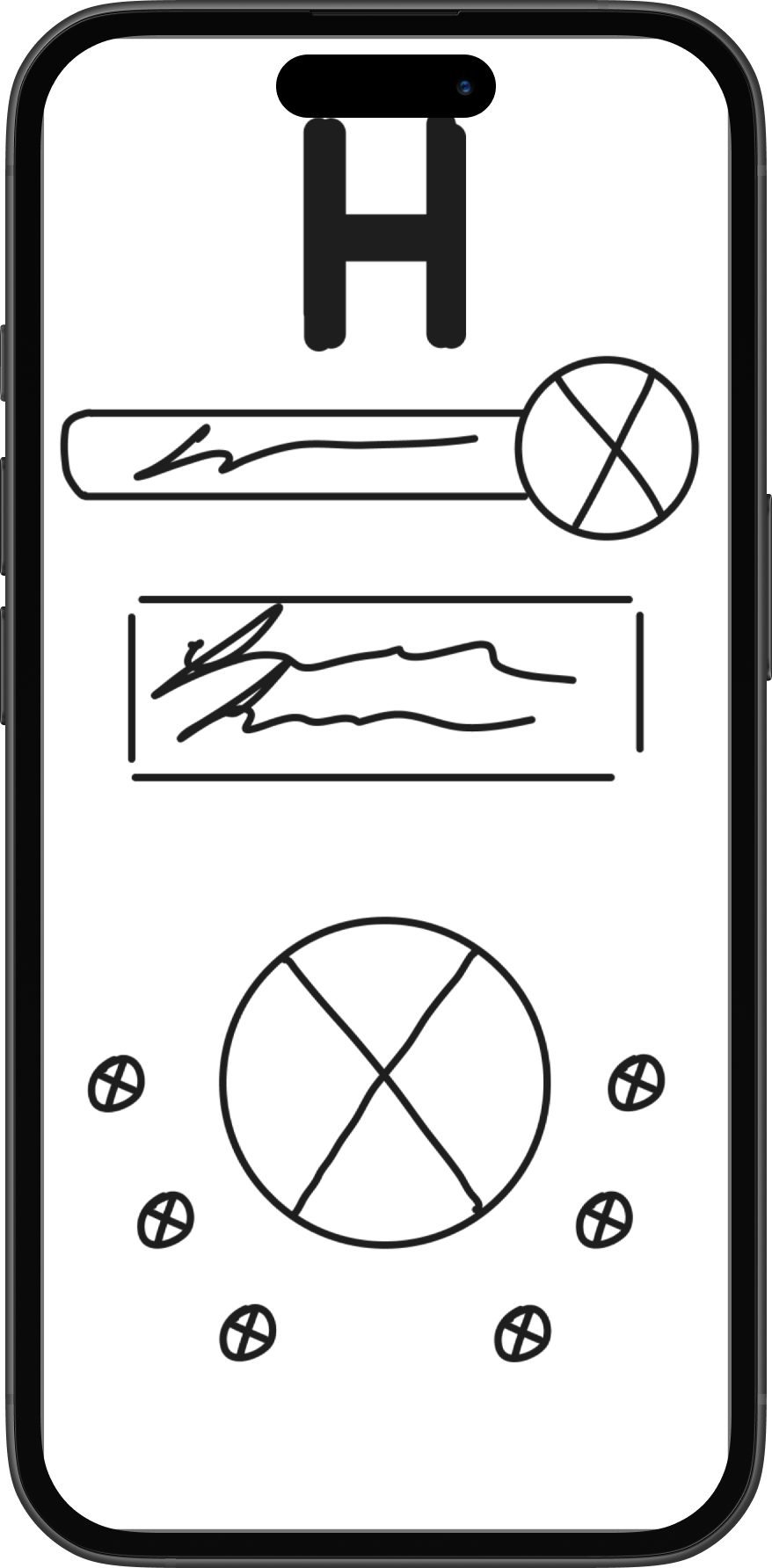
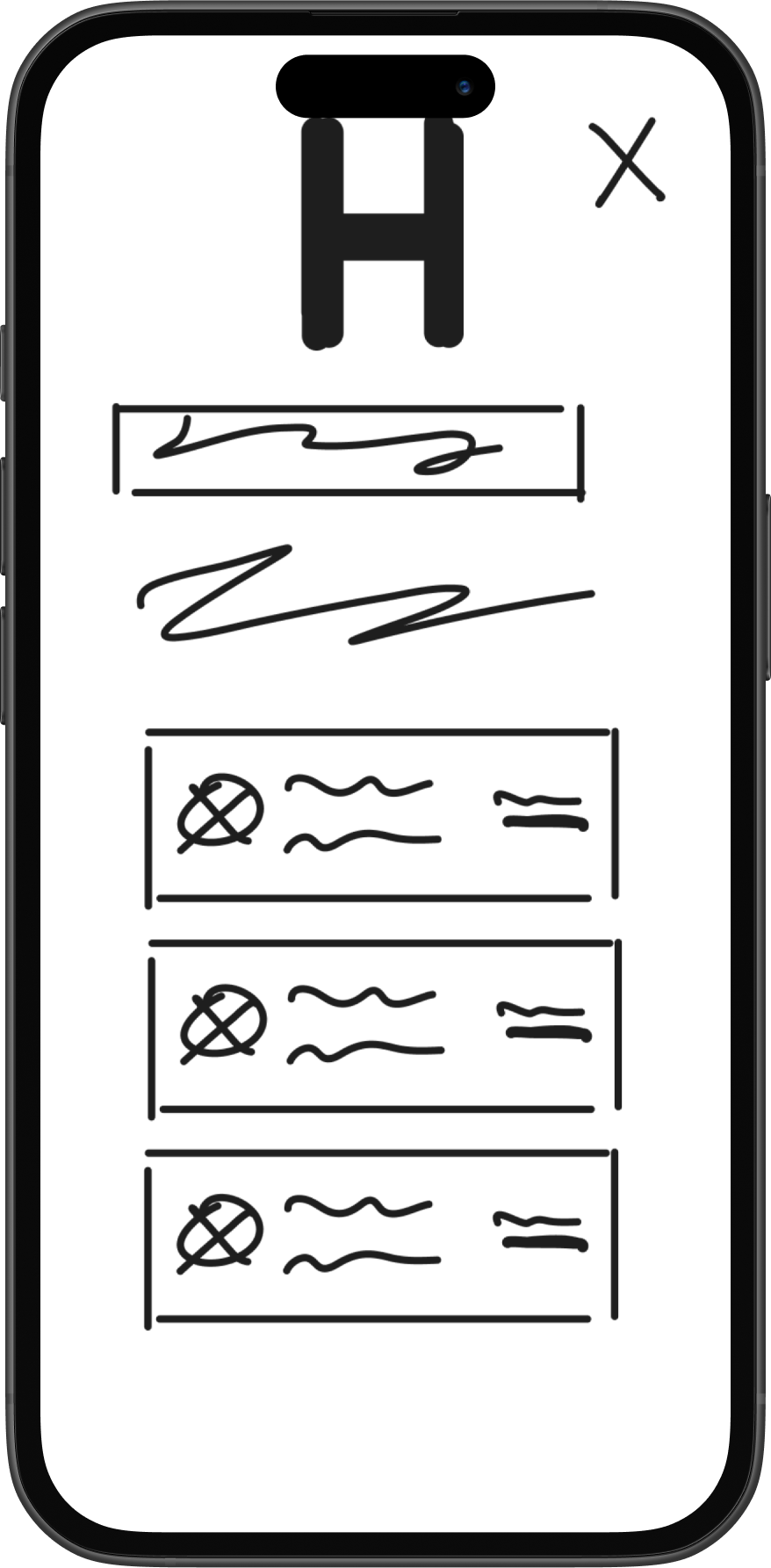
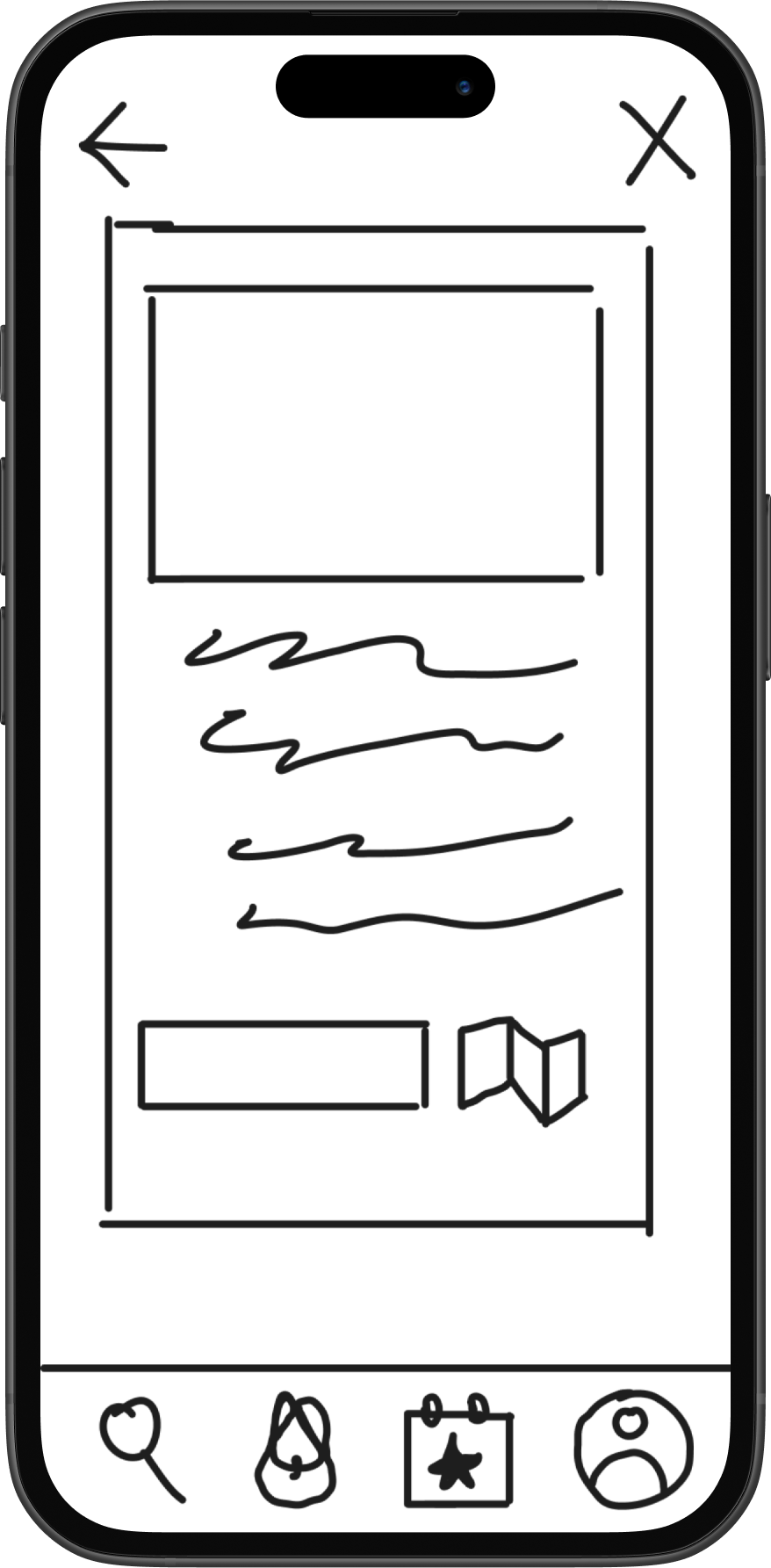
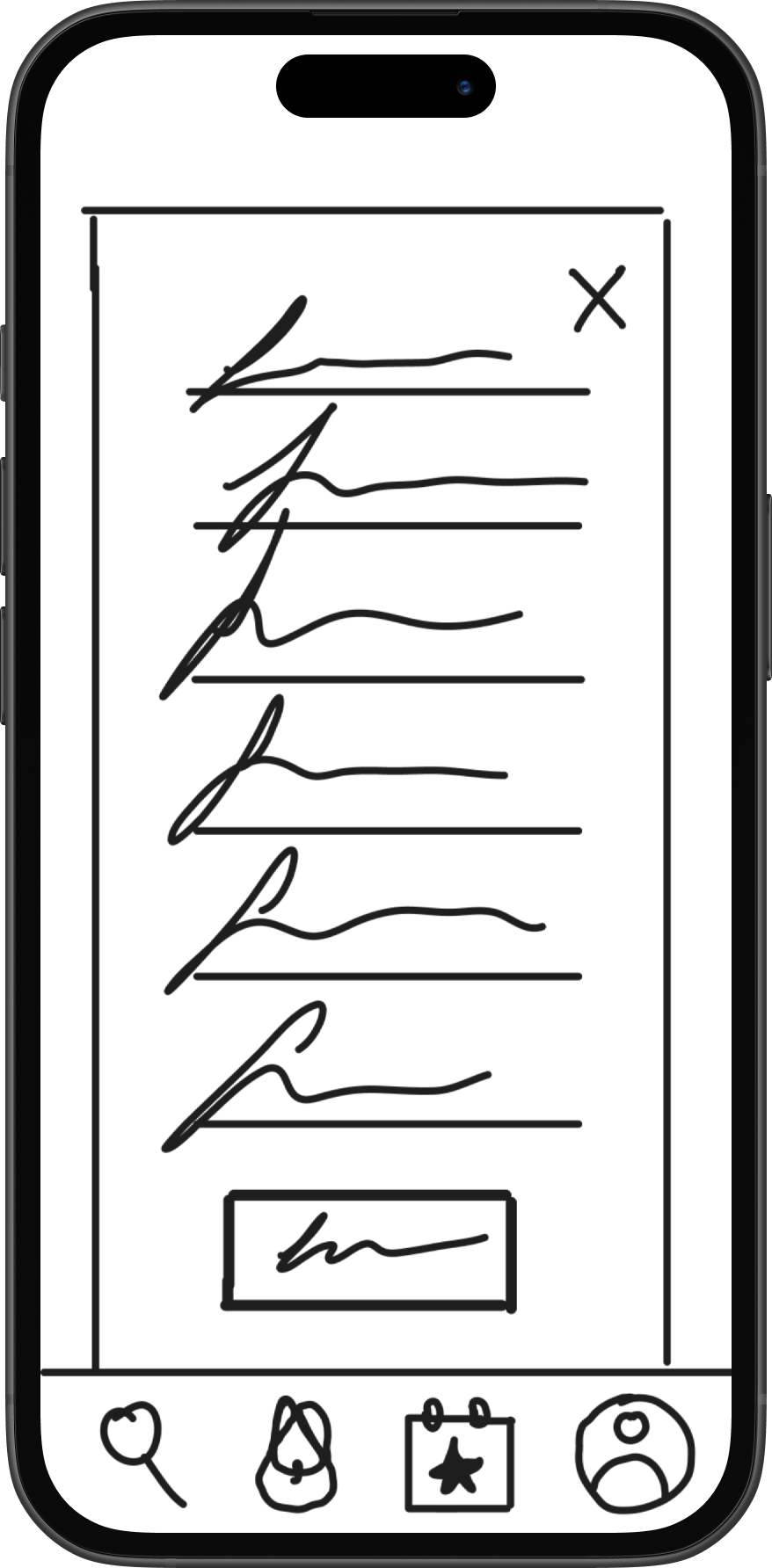
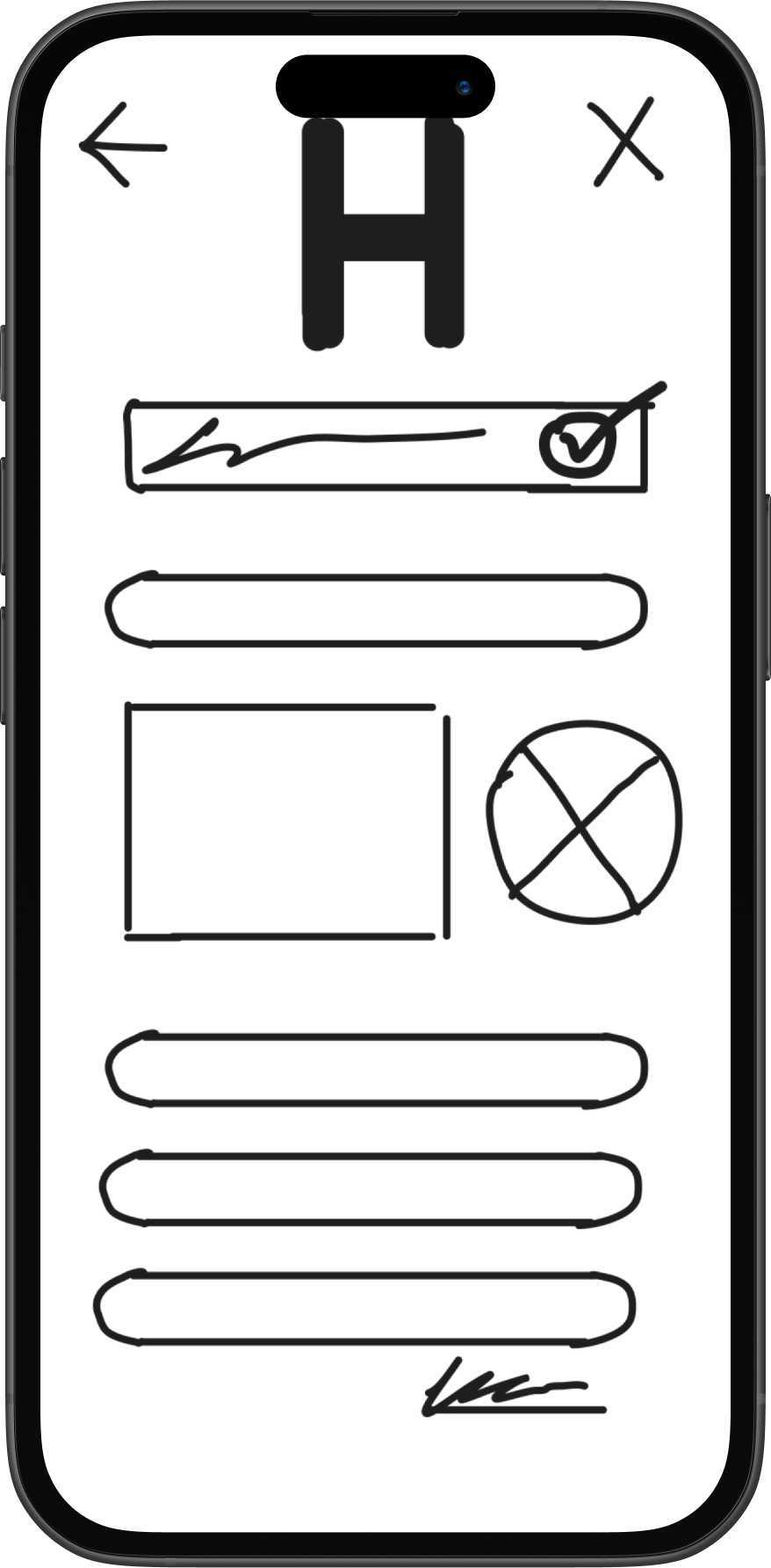
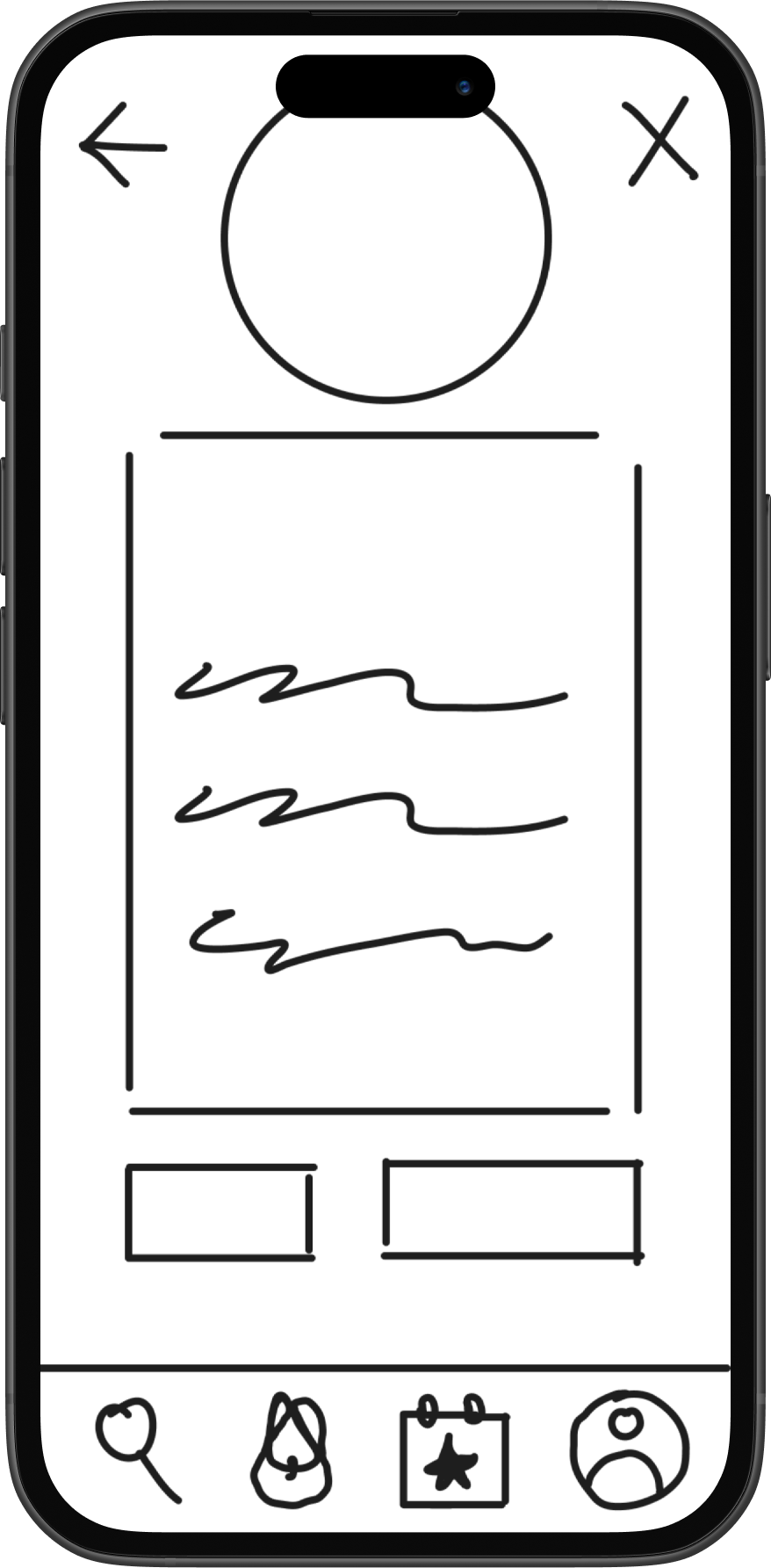
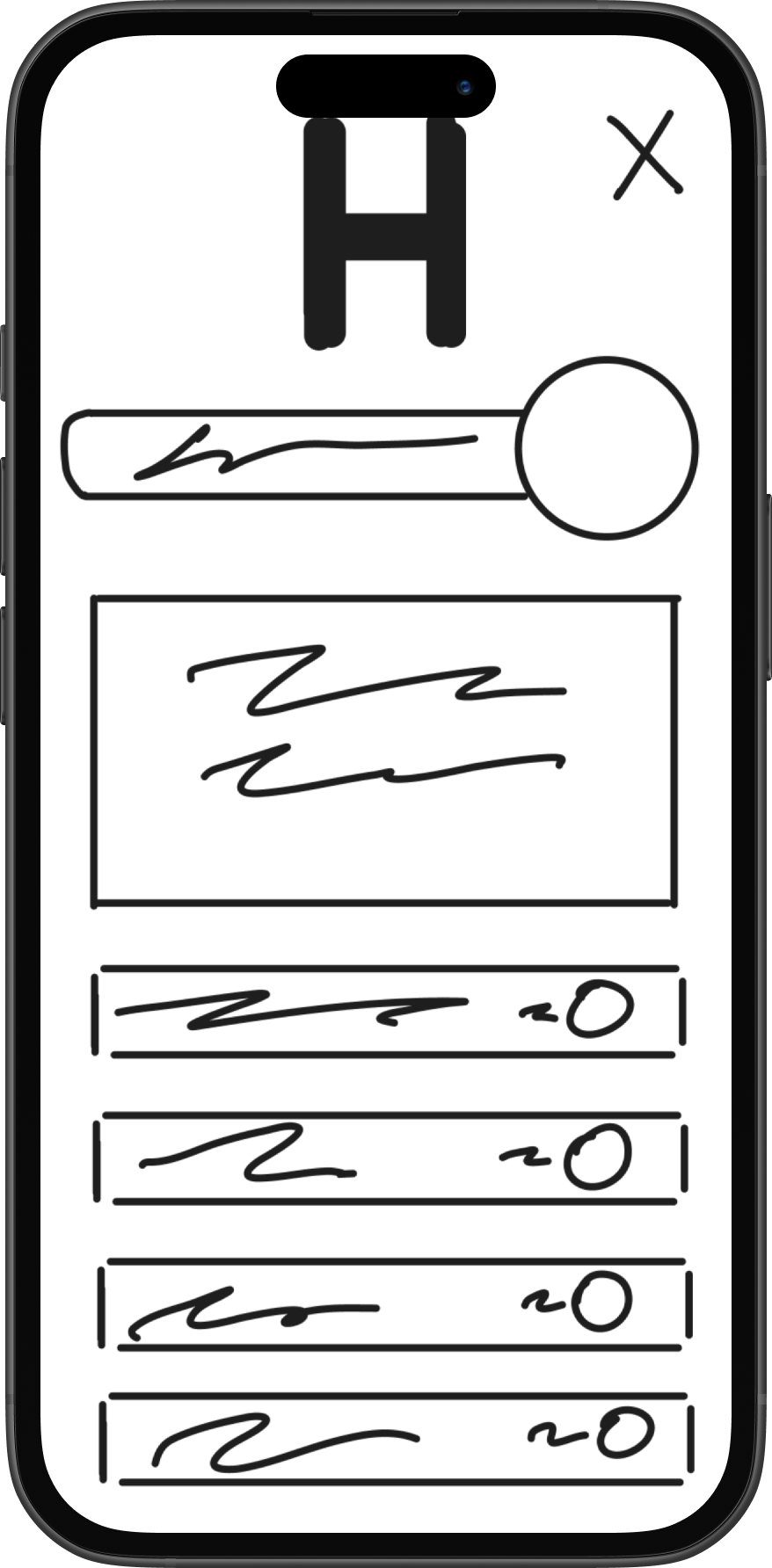
After the personas were created, I began desgining an app catering specifically to their needs. Starting with low-fidelity wireframes, I focused on the overall functionality and placement of the chatbot within the current app:
The early stage wireframes were shared to receive early feedback on the overall design and layout of the chatbot. Certain changes were taken into account:
Design
Usability testing
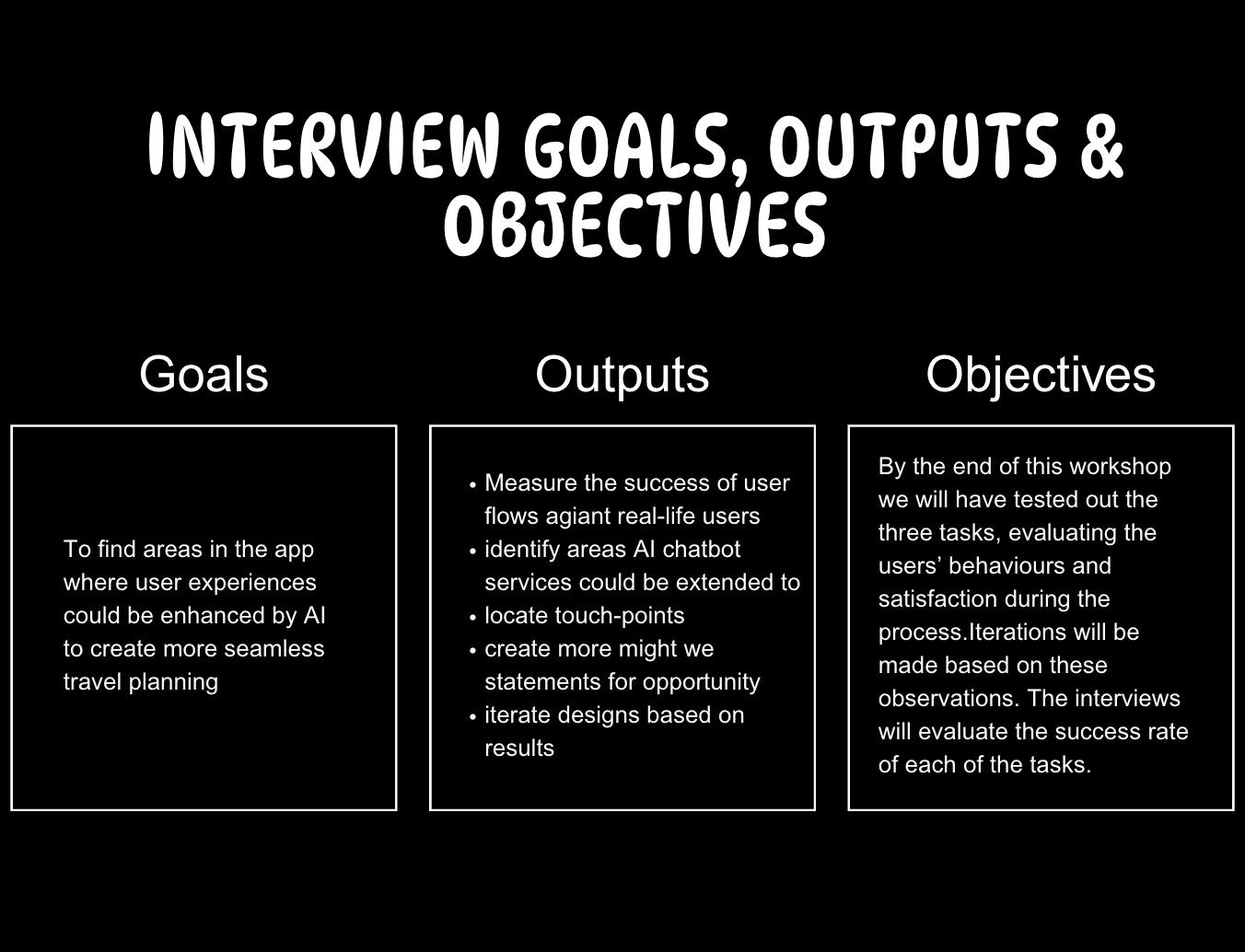
I conducted moderated tests using four real-world travel scenarios:
Test 1
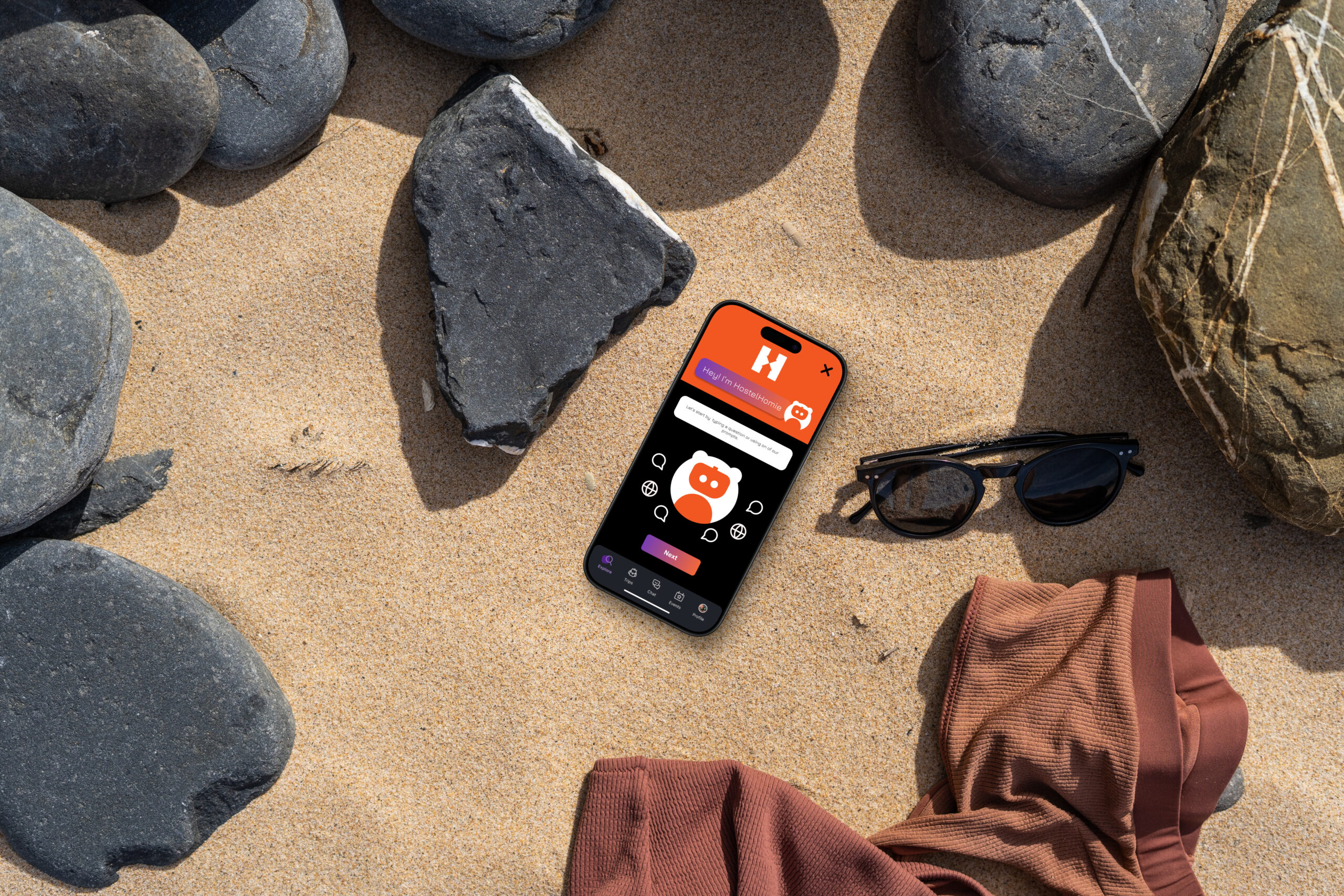
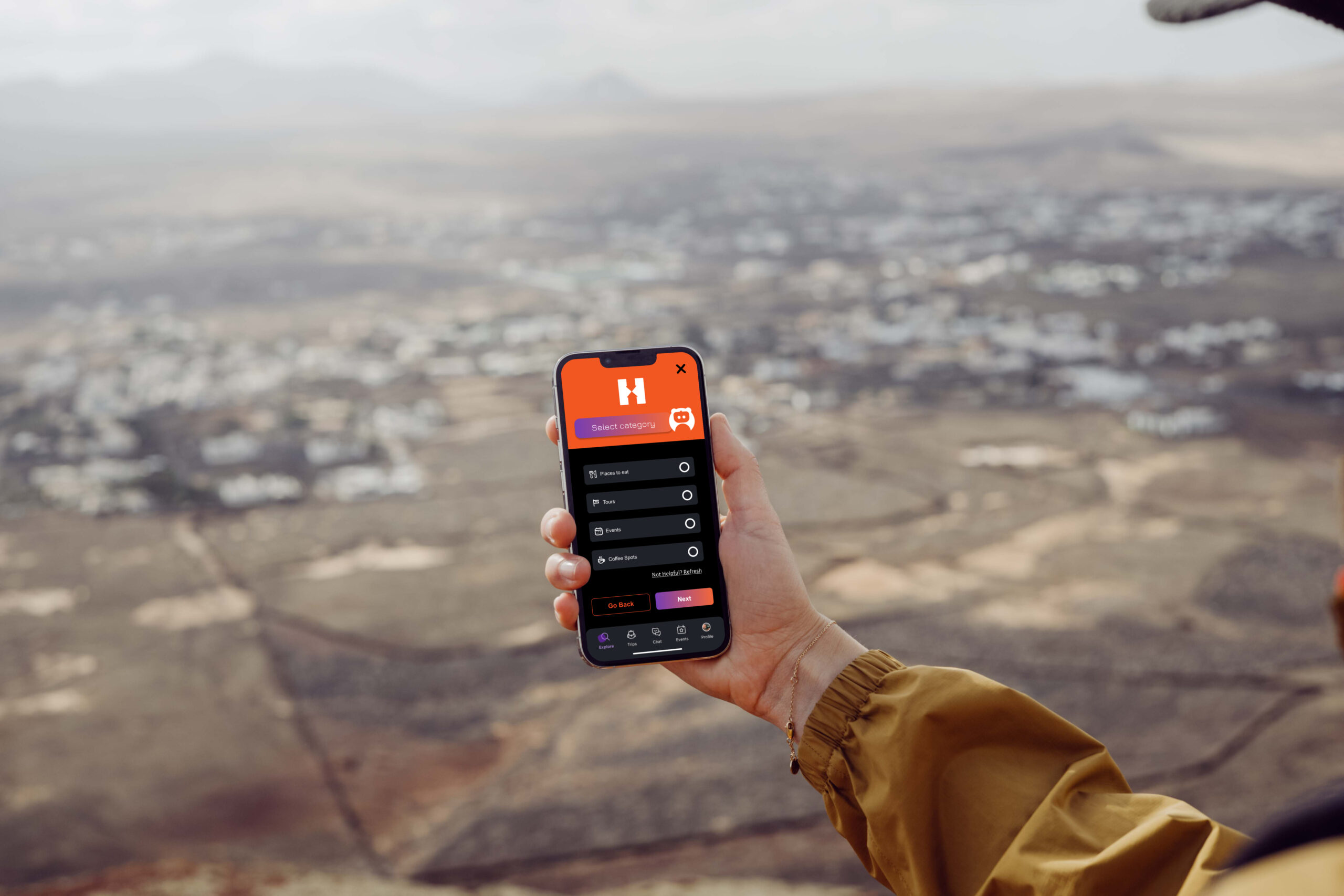
Start a new chate with the AI Hostel homie
Test 2
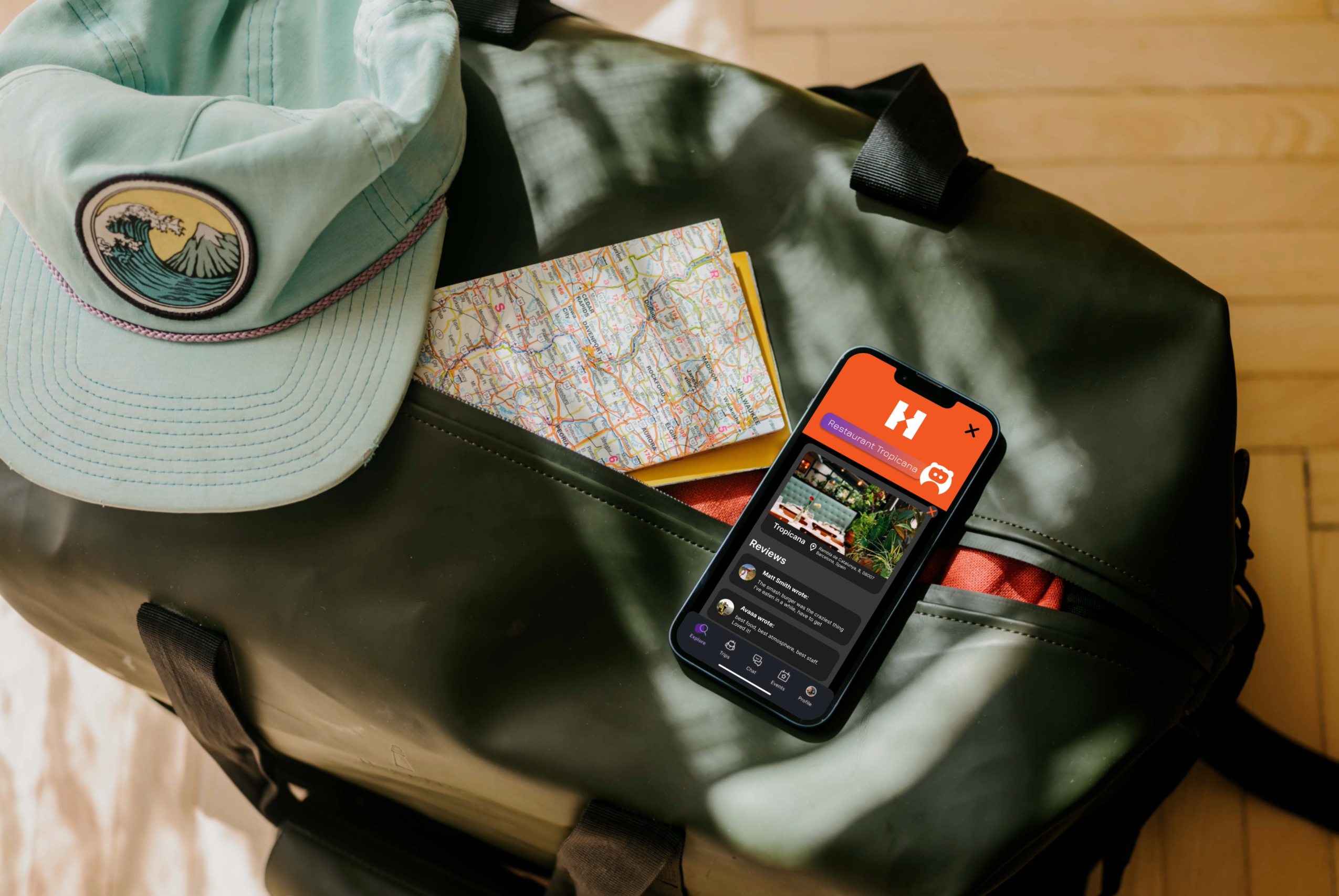
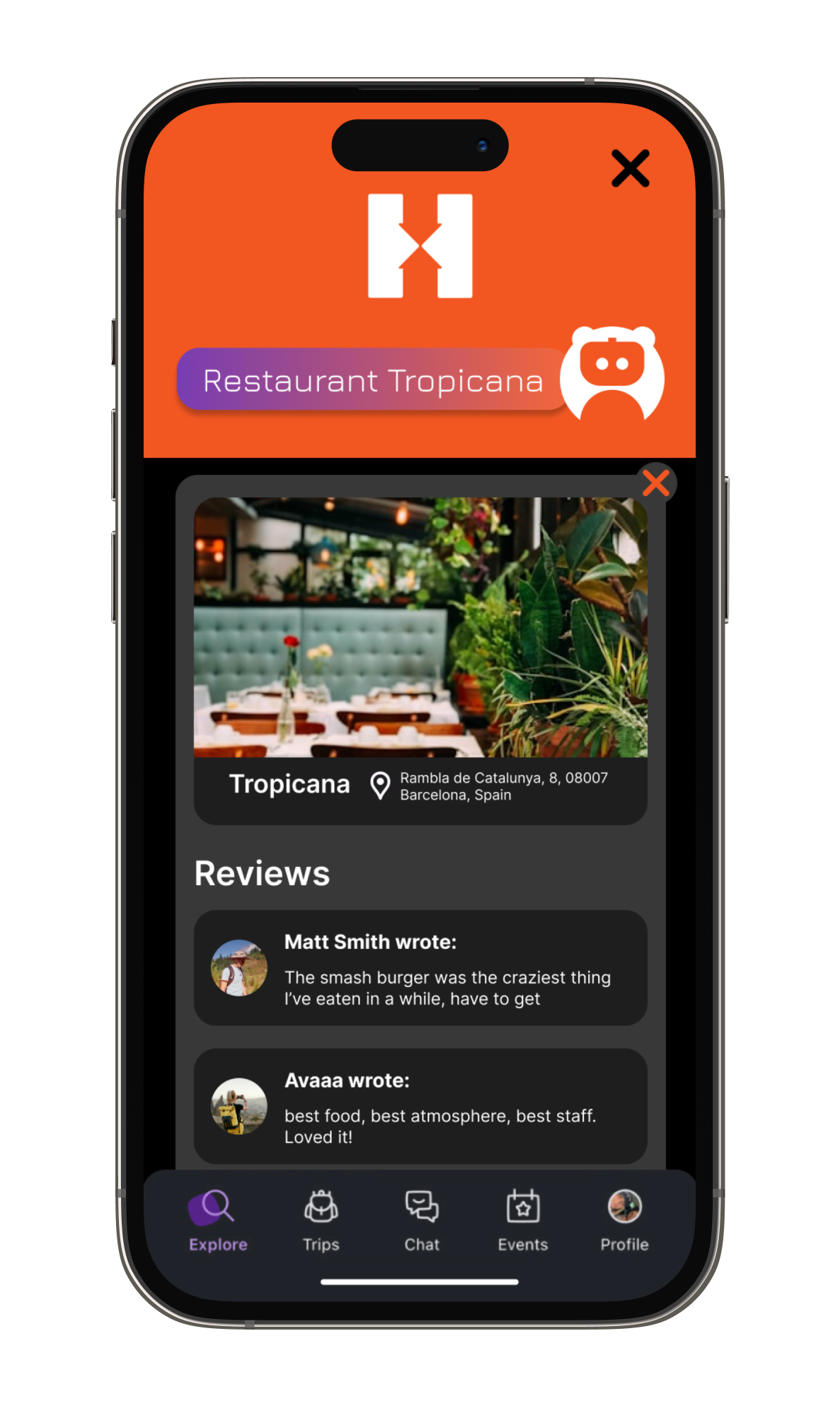
Find reviews from travellers about a restaurant
Test 3
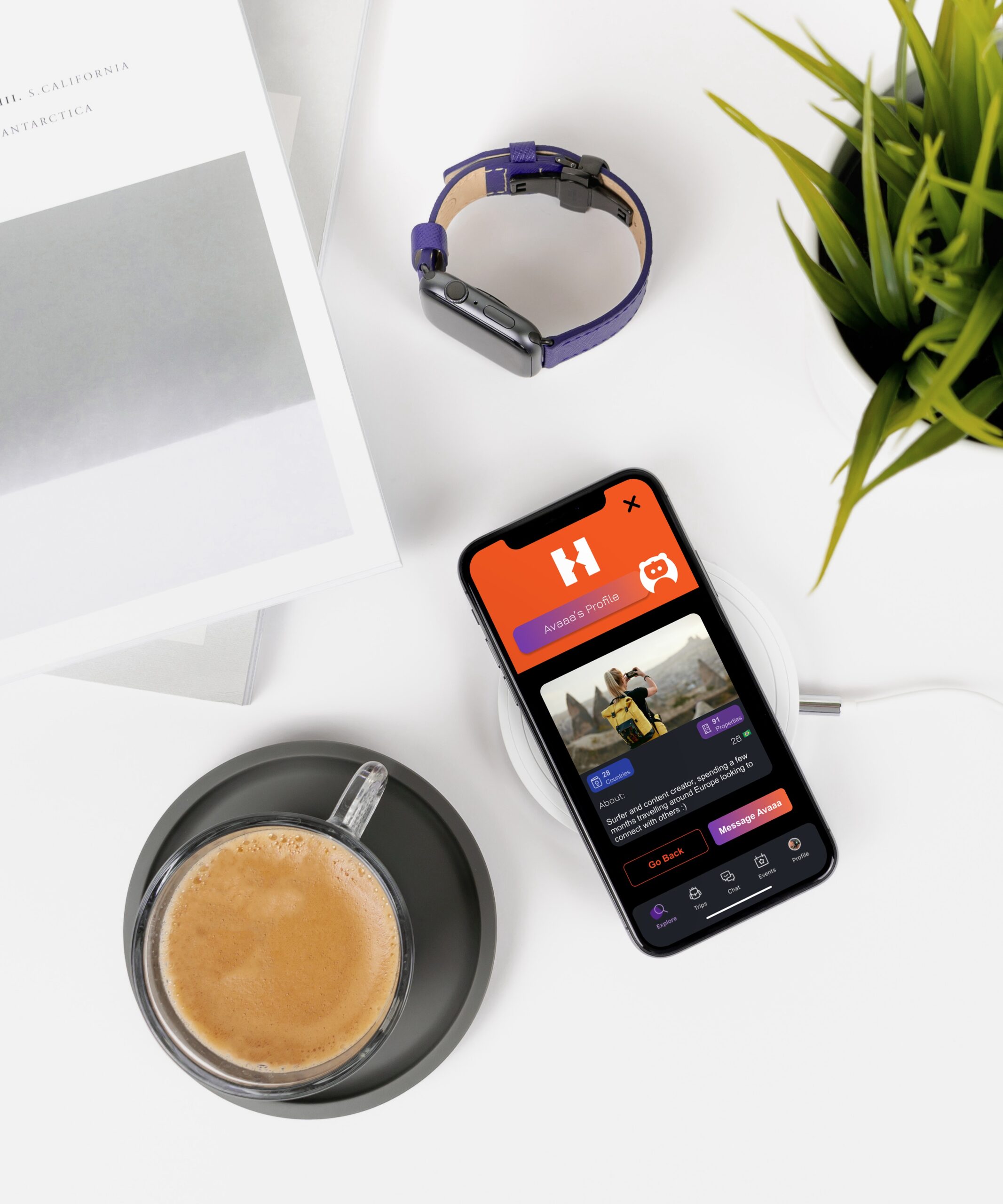
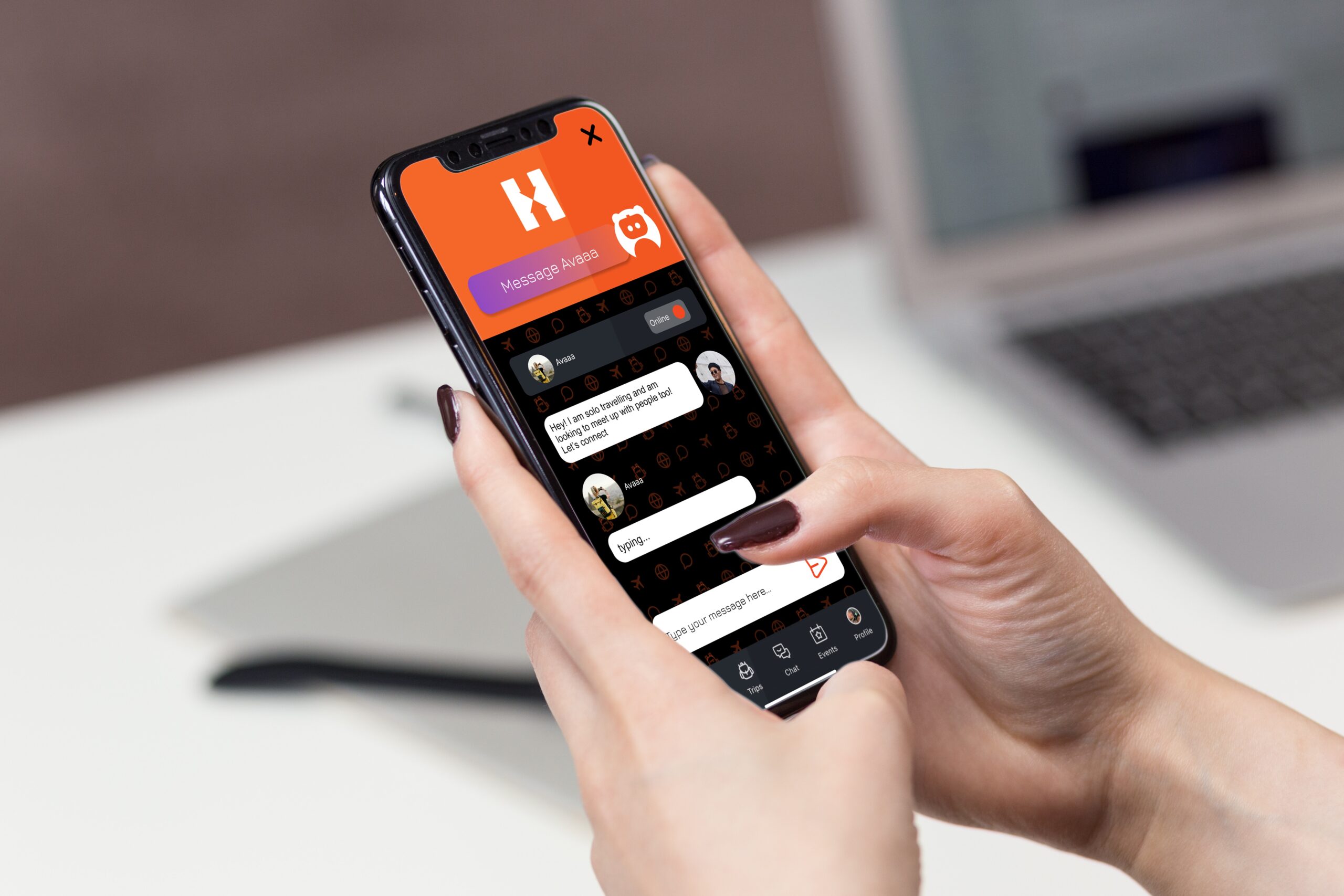
Find and message another traveller who's looking to meet
Test 4
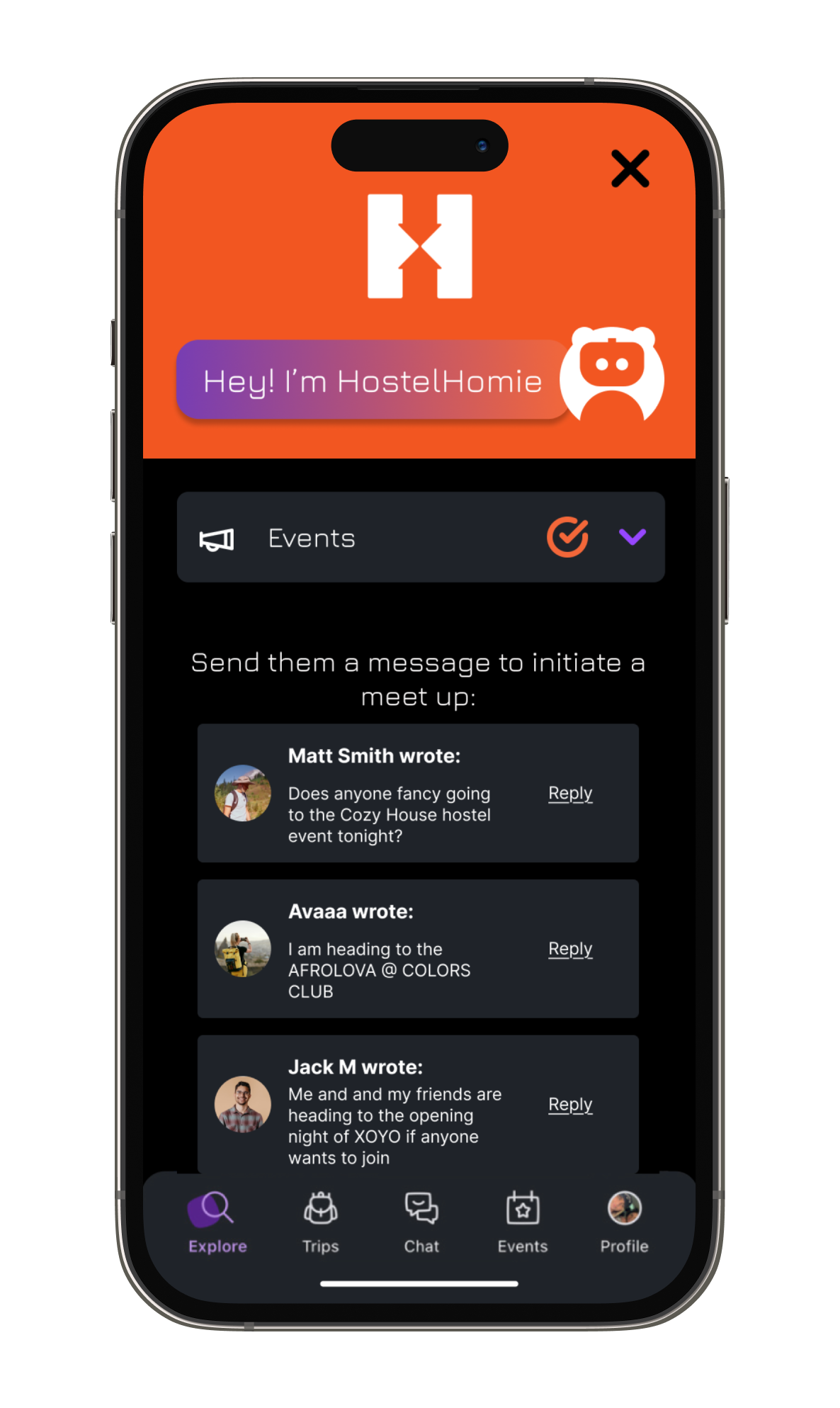
Find travellers going to an event and message them
Session tracking: a feature for experience surfers to log, review and improve their sessions.
These finidings influenced wireframing and prototyping, ensuring the app's core structure met real user needs.
Users opt for apps with additional features that enhance their surf experience.
Many Users access weather apps in bright light.
Users find alerts and live updates paramount for safety.
Design
Style Guide
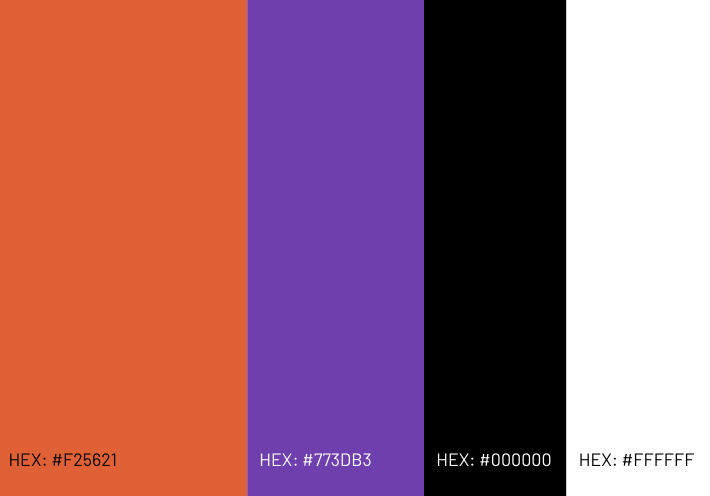
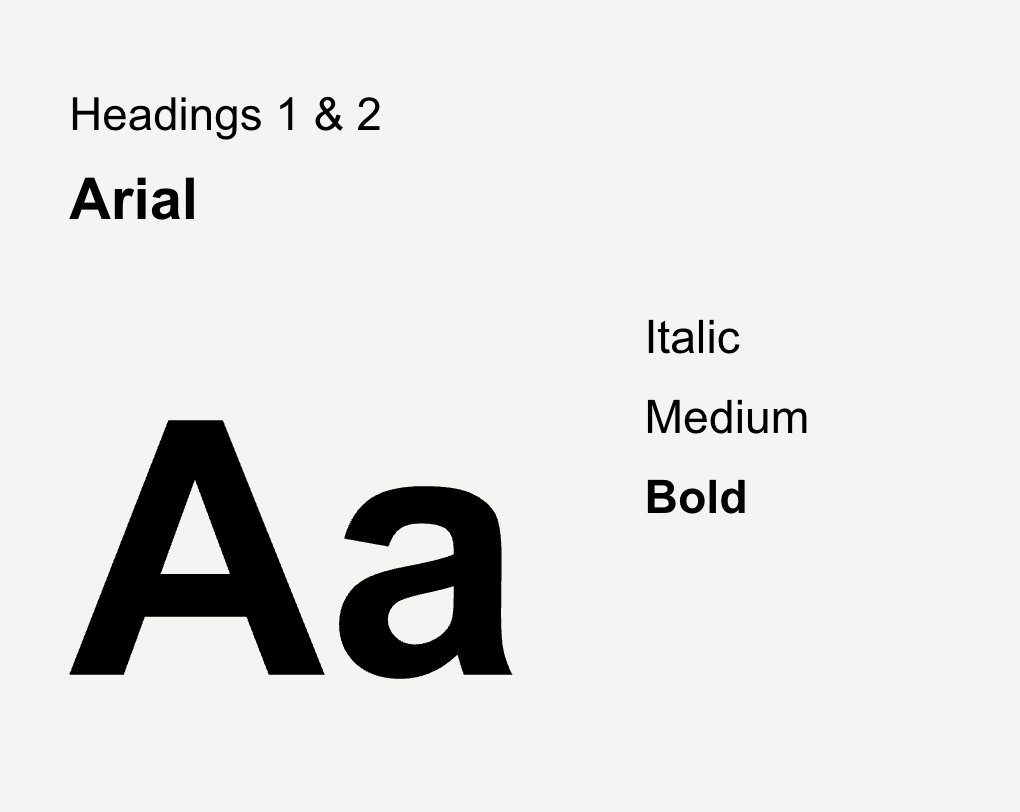
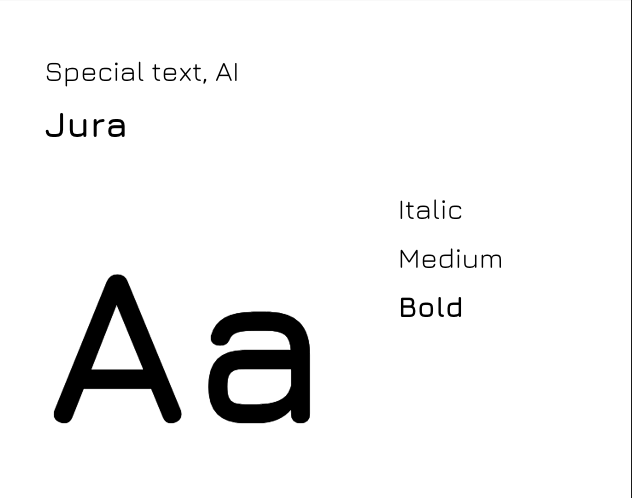
The style guide defines the brand identity across logo, colour palette, typography, and iconography. It ensures consistency and clarity across all platforms, with clear guidance on visual dos and don’ts.
Logo




Colours
Typography
Final Design
High-fidelity wireframes
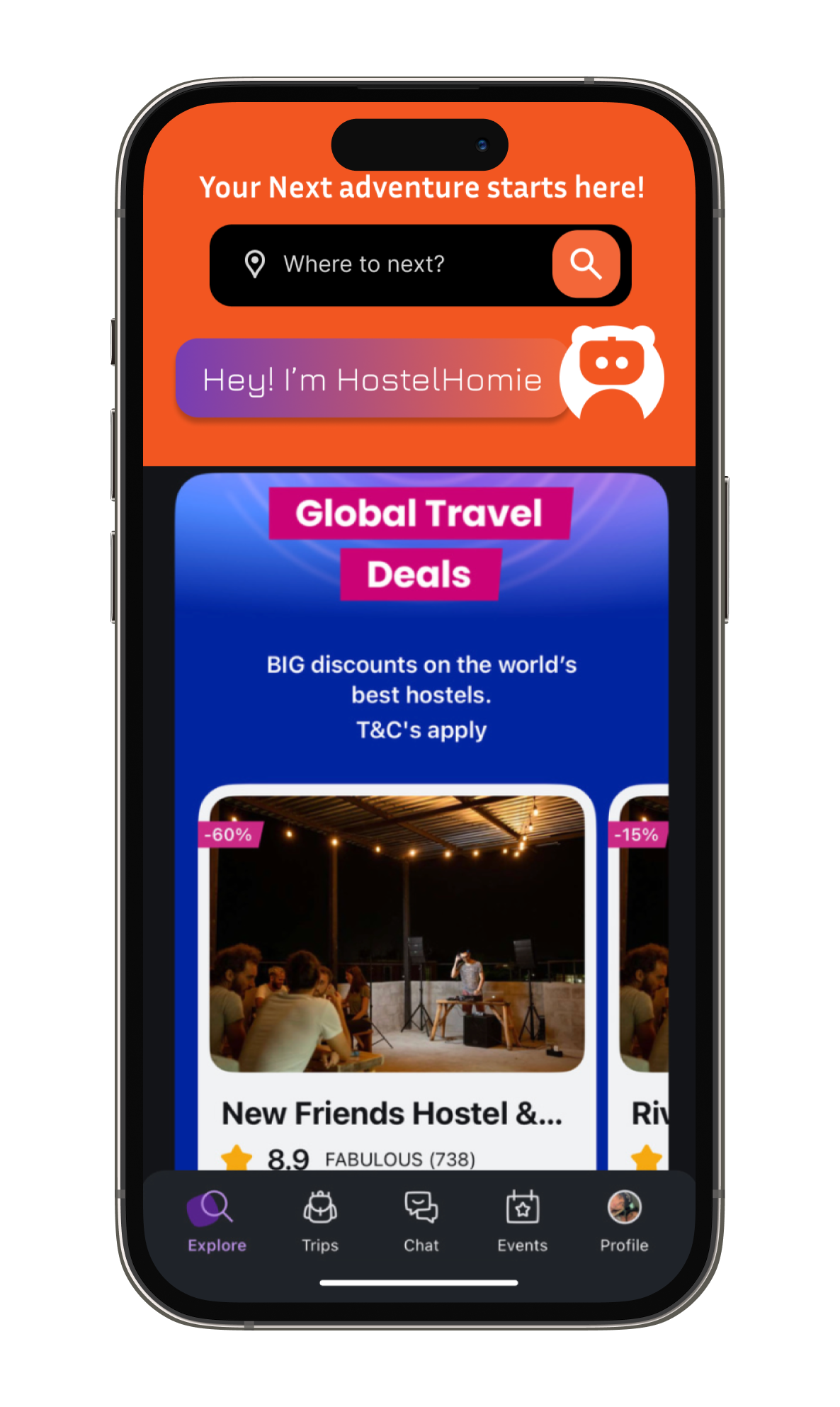
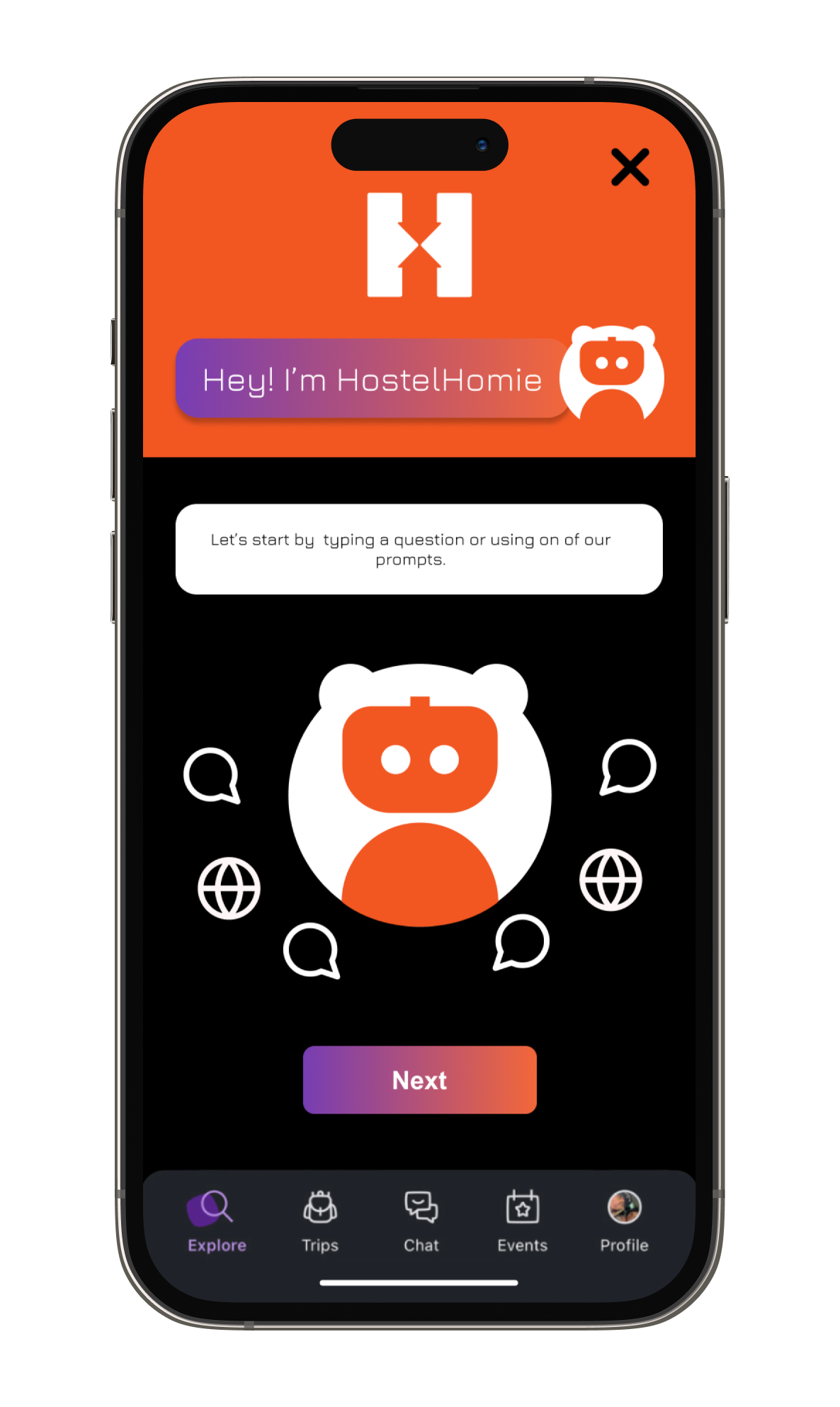
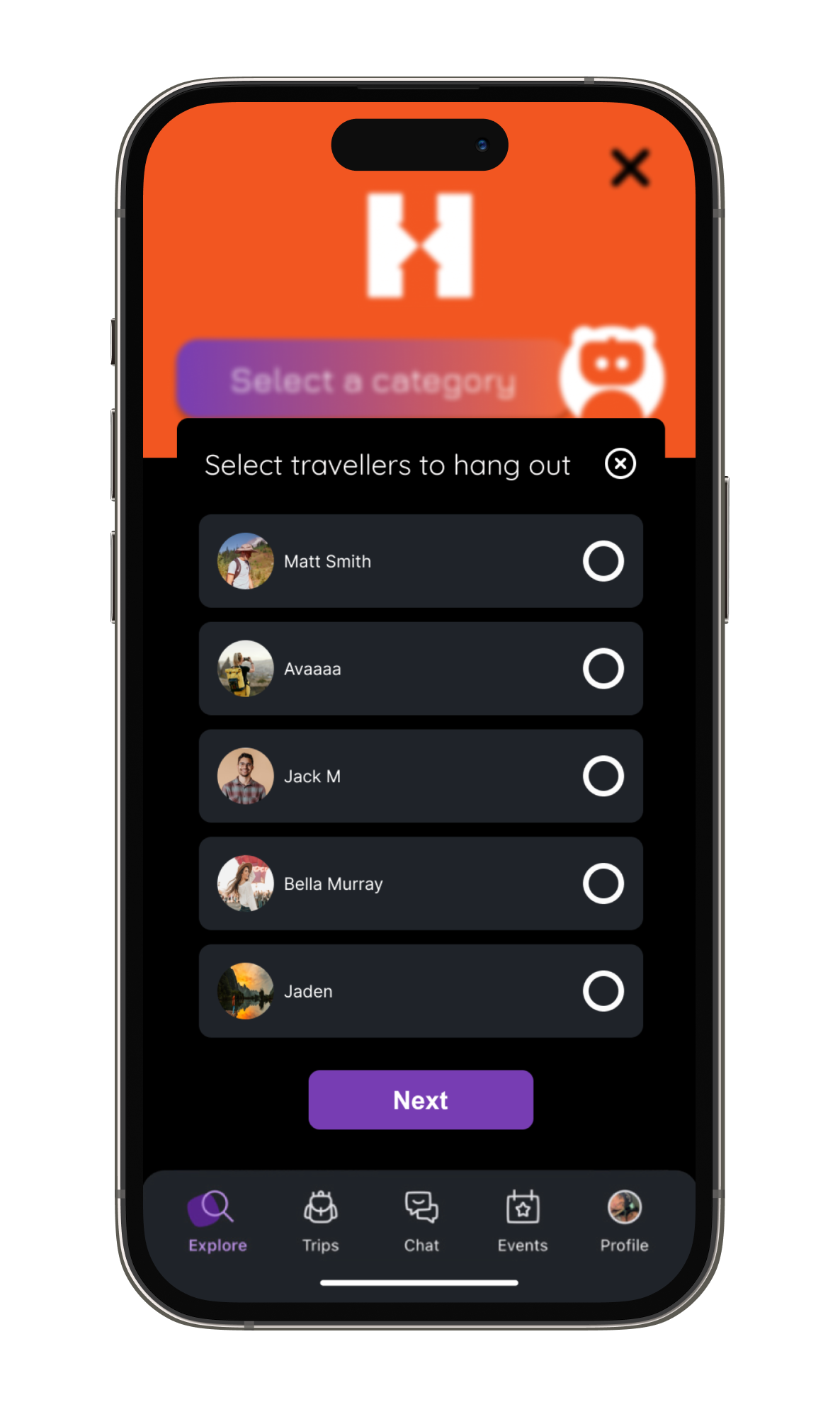
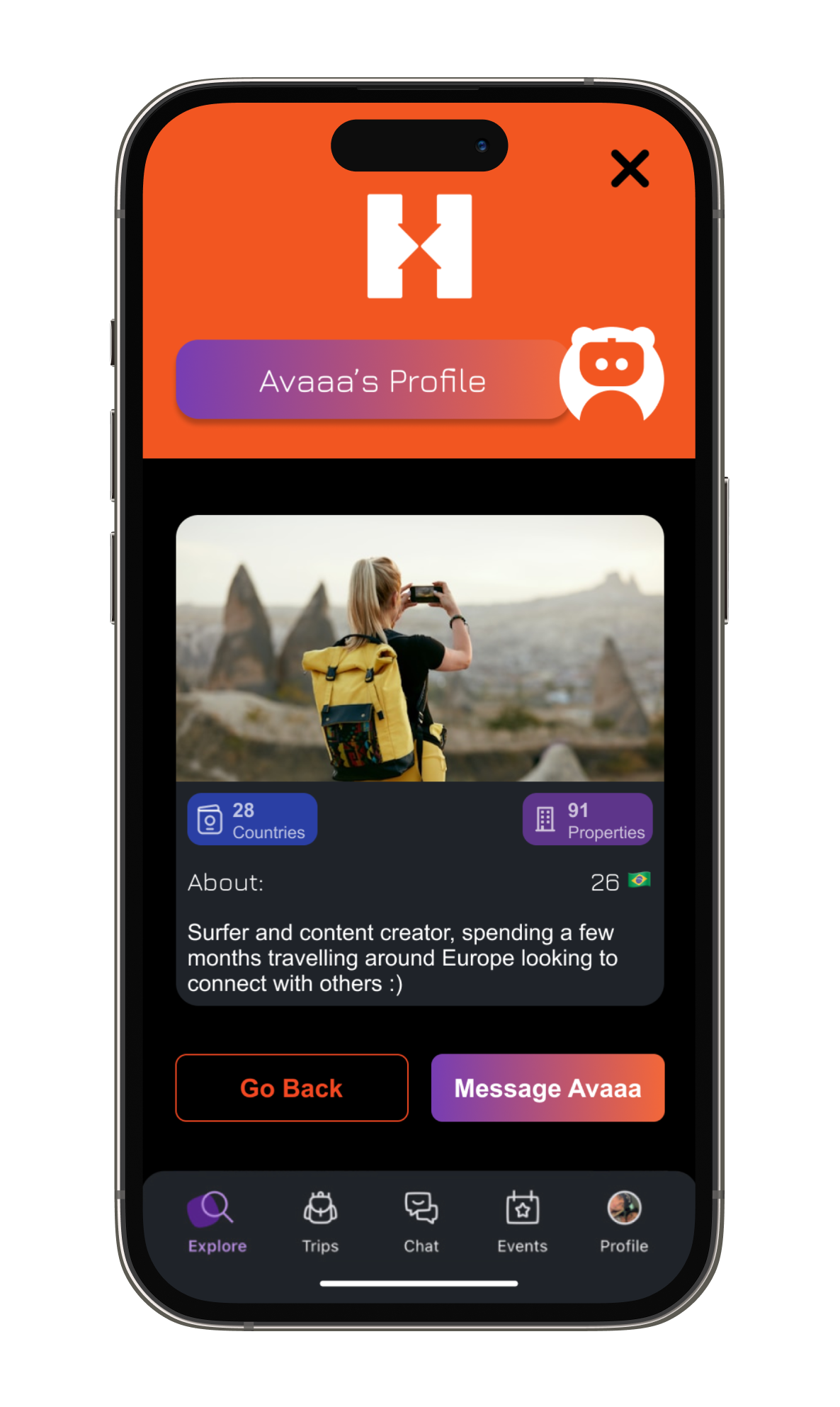
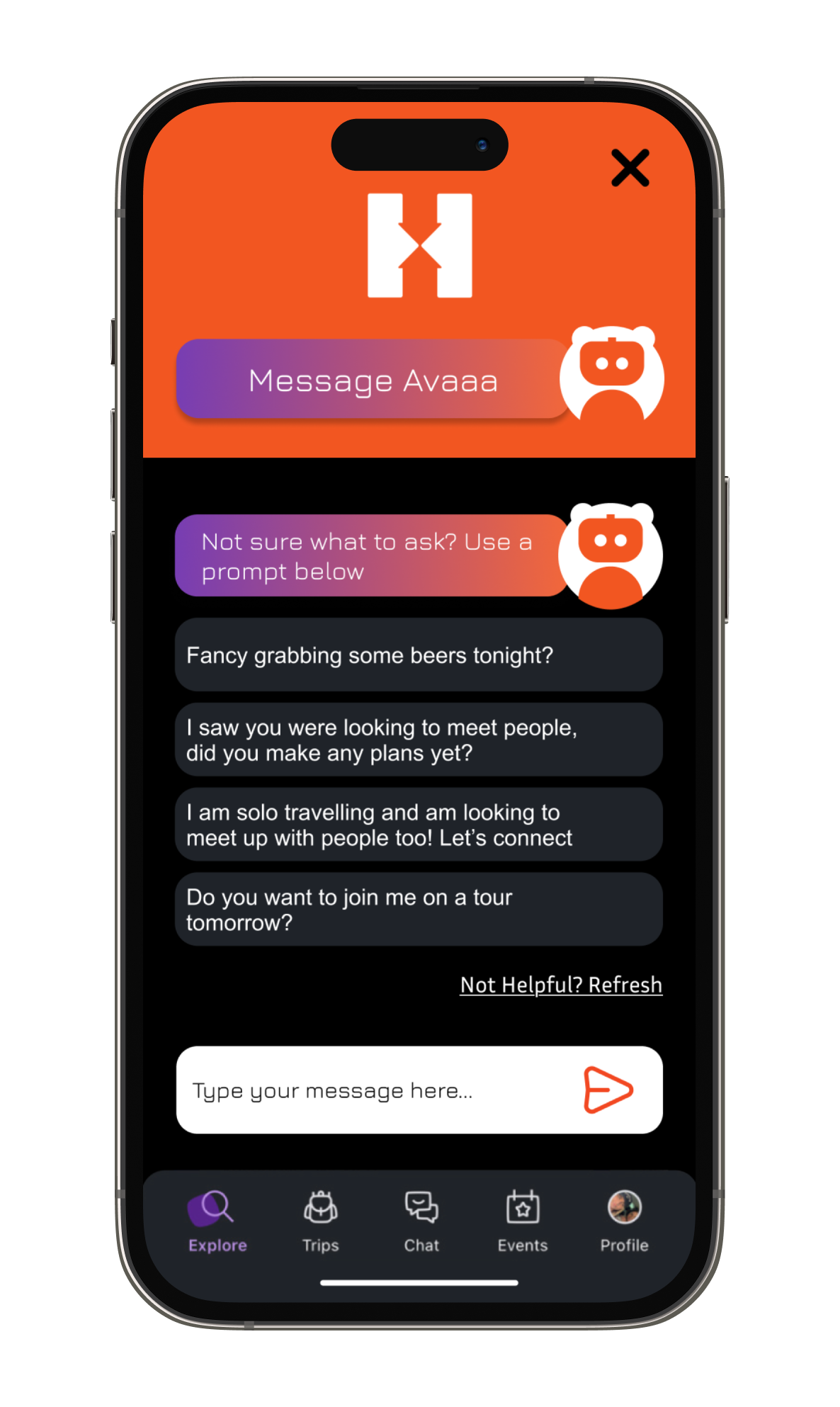
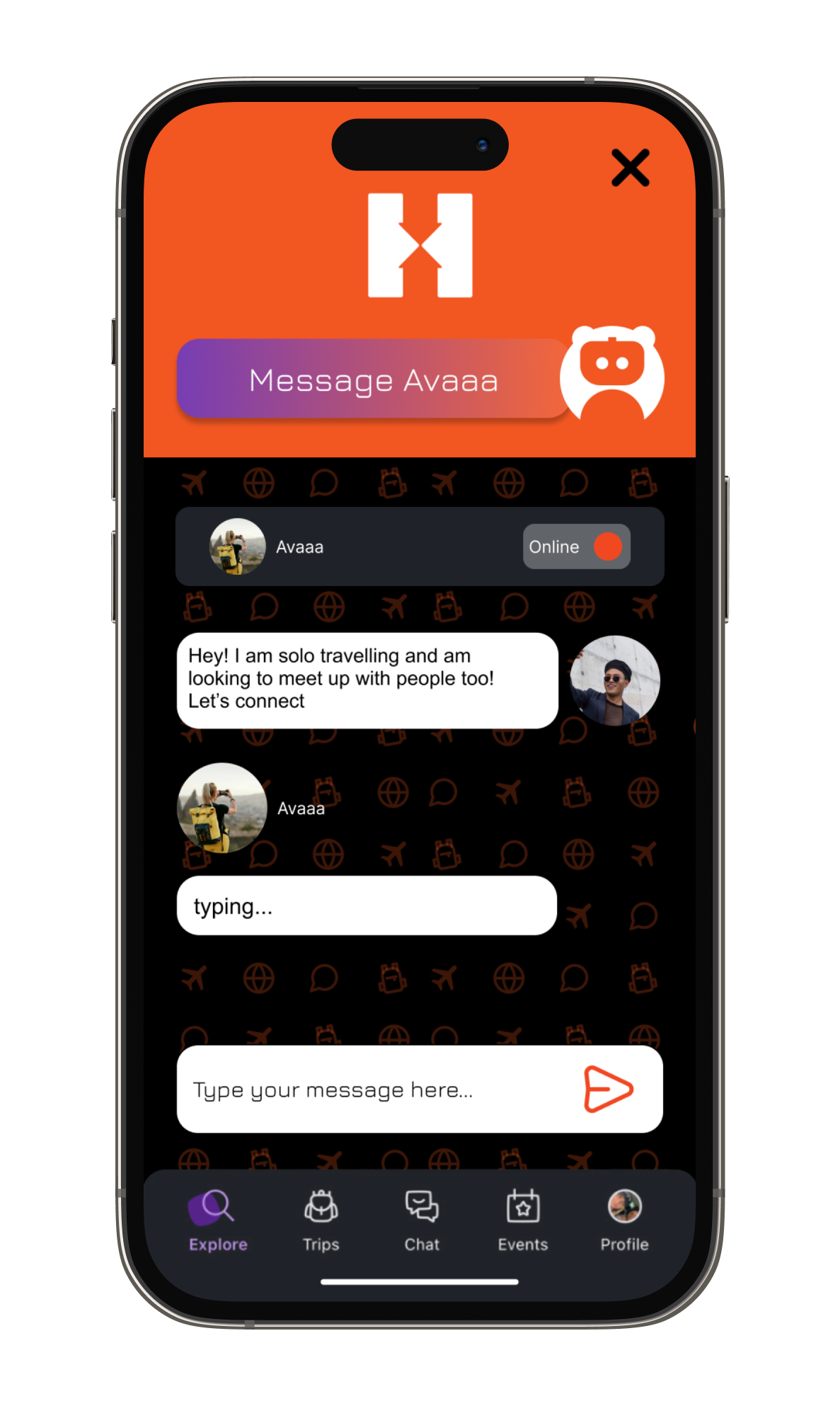
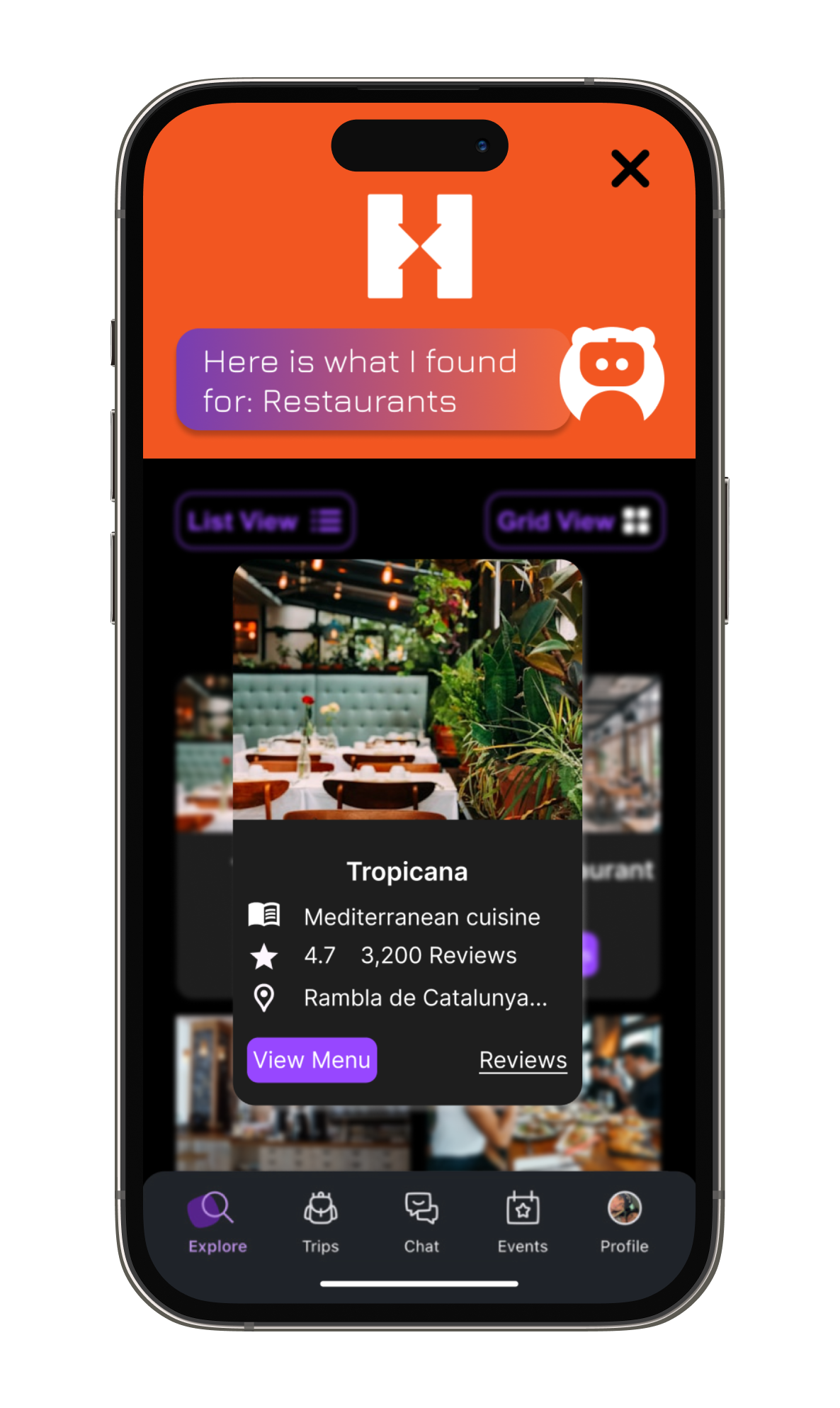
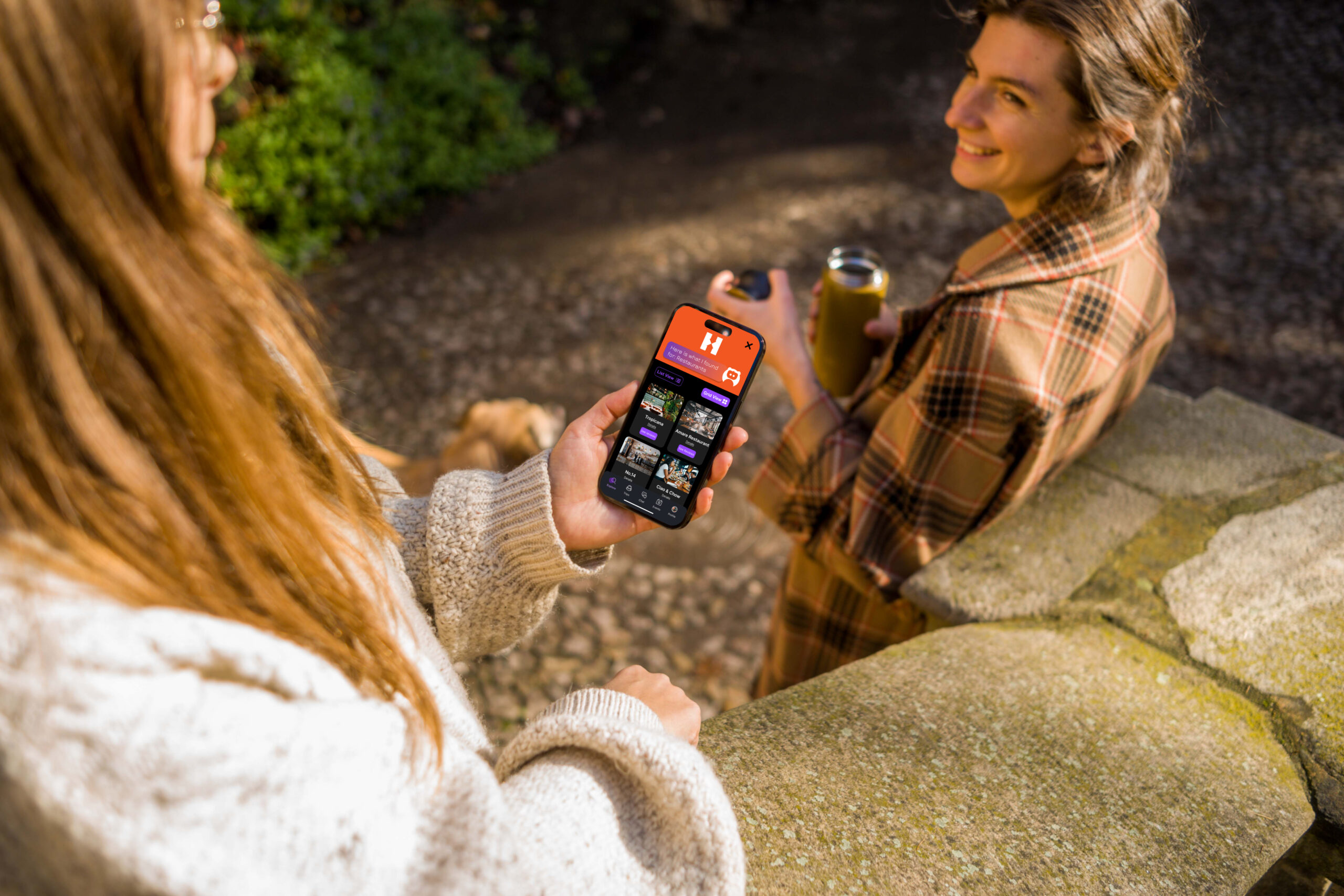
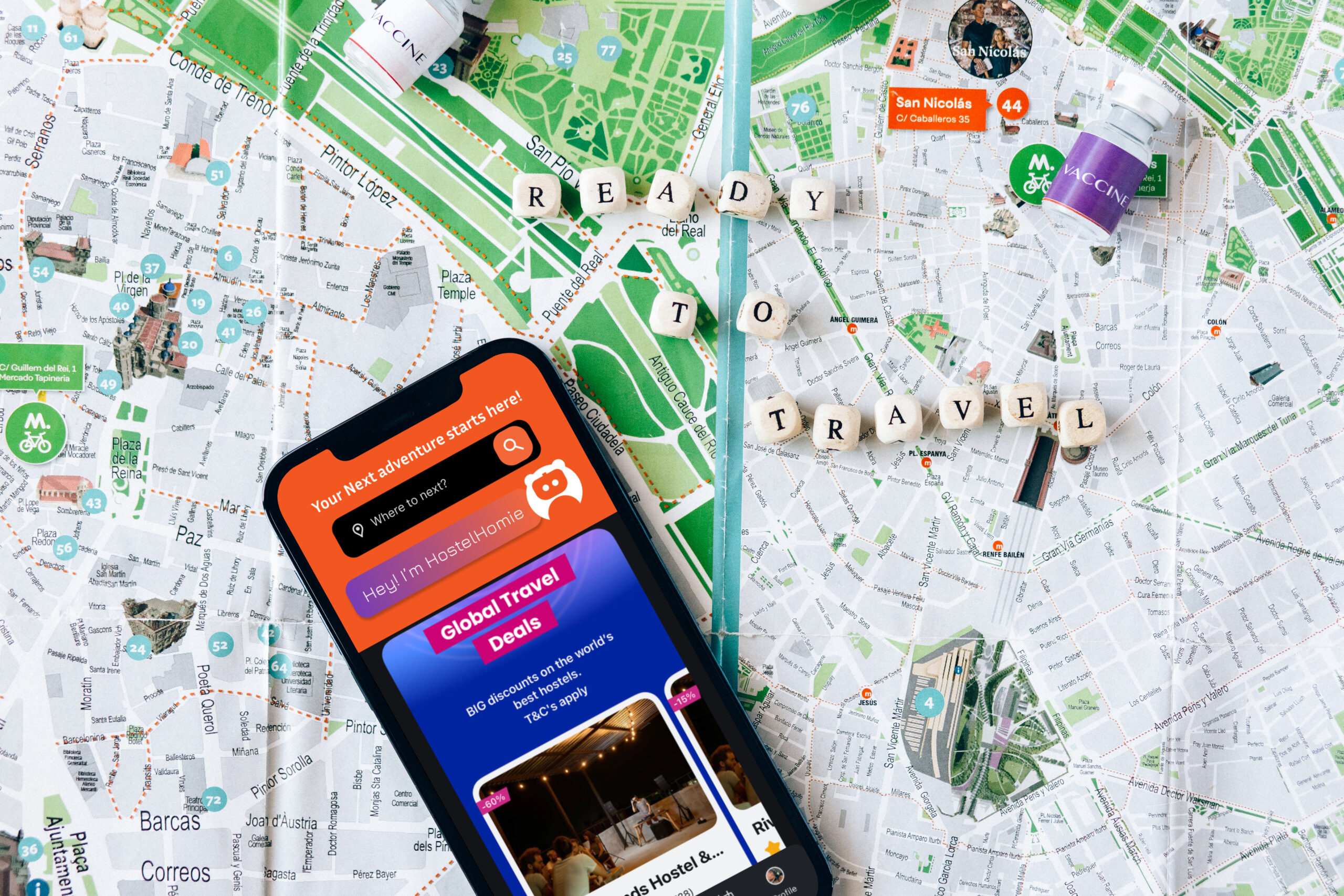
Moving to mid- and high-fidelity prototypes in Figma, I refined flows for: chat interactions, event browsing, and one-on-one meetups.
Reflection
Moving forward with design
The final designs reflect a process of iteration, testing, and refinement, ensuring each decision was tied to user needs and the overall goal of creating an engaging, motivating study experience.
Learnings
This project taught me how AI can enhance—not replace—human connection in product design. I learned to balance smart features with emotional intelligence, and to design for social comfort, not just usability. Most importantly, I gained confidence in synthesising research into actionable flows and embracing iteration based on feedback, not assumption
High-level plan for future iterations
Add AI personalisation over time (e.g., adjust tone, response type).
Create offline functionality for low-connectivity zones.
Introduce group matching for casual meetups (e.g., dinner groups or walking tours).
Design for accessibility and localisation across different travel cultures.
Thanks for watching!
If you are interested in my work, please get in touch:
Selected Works